Job Finding Stories

Factory Foreman / Production Manager Success Story

It hasn’t been easy to immigrate into New Zealand in recent years. Andries and Nilene came up against every possible challenge and overcame them all.

Consider the biggest challenges of the last 2+ years:

  1. Lockdowns
  2. Mandates
  3. Sudden changes in immigration policy
  4. Changes in immigration law
  5. Job offer rescinded unexpectedly by an employer

How do you overcome so many roadblocks before getting completely demoralised?

Uncategorized

New Opportunities in New Zealand

– For Job Seekers, Employers and Agencies

Under the new Accredited Employer Work Visa (AEWV) application process to be launched on November 1, 2021, employers will will lead foreign job seekers into the work visa process. This change will result in a more functional immigration experience for job seekers and employers. Many opportunities will arise for all players including the agencies.

Likely Benefits to Job Seekers

My predictions are below and I remain flexible to adjusting my views as new information becomes known.

  1. Cost – Likely to be less up-front cost and lower overall costs because I see employers more involved in each individual case and more likely to pay for the visa side of things.
  2. Time – Processing work visas will be done faster and with less errors on average, which means less frustration and more certainty for job seekers from job offer to the first day of work. Job-seekers will also experience an improved process in the area of planning and collaboration because they will enjoy a relationship with one point of contact per each job offer rather than having to juggle the requirements with INZ separately from the offer to work.
  3. Frustration – Gladly, job seekers will avoid the problems related to differing interests that pass “like two ships in the night” – not seeing each other. In the past, delays and miscommunication have been a significant barrier to getting work visas submitted and approved because employers and immigration agents have not always communicated perfectly or quickly with each other. From the employer’s point of view, it is true that many immigration agents are professionally competent to meet the service needs of employers, however, there is an equal amount of agents unwilling or unable to act competently outside their bureaucratic comfort zone. This disconnect has ruined many immigration efforts due to mistakes, delays, retracted offers and failed job seeking efforts that ultimately resulted from this lack of collaboration. This level of incompetence will decrease under one employer-led process. As a result, job seekers will experience less frustration, cost and risk.
  4. Clearer targets – Now, more than ever, job seekers will have planning clarity. As I said in my introduction to foreign job seekers: “The first priority is the job offer, everything else follows quite naturally”. https://atomic-temporary-163814143.wpcomstaging.com/about-tate/ After November 1, 2021, this statement can be taken to the next level because employers are giving more than job offers. They also provide leadership towards the work visa as part of the same process.

What does this mean?

  • For foreign job seekers: The AEWV signals a welcome change that offers less stress, faster processing times and less up-front costs. In the past, job seekers were caught between legally-driven documentation requirements from the INZ and economically-driven job offers from employers. There have been communication gaps that arose between two entities that have slightly different business objectives. In addition, foreign job seekers are in an unfamiliar culture, often using English as a second language. It is not easy to take responsibility for all those diverse issues while also finding work and managing personal affairs at the same time. Because some serious flaws in the immigration system are being addressed by INZ, the job seeking experience for foreigners is likely to improve for most in my view.
  • For NZ employers: The AEWV signals a major change in the way businesses work with foreigners. They must be proactive enough to get the accreditation and establish robust systems for processing to a standard of compliance that is not yet fully known. This will increase compliance costs. The new costs will be streamlined towards efficiency over time until costs are far less than the benefits of hiring foreign talent. Employer that achieve this will become players in the new system and they will have some help from INZ and also from the agencies.
  • For immigration agents: The AEWV will change some fundamental aspects of their business model. I see demand for work visas shrinking from job seekers and at the same time I see the growth of a new market where local NZ employers require accreditation support. I don’t believe the large employers will need help and I stand to be corrected if I am wrong. Nevertheless, it seems clear that most employer demand for accreditation support will come from New Zealand’s SME market, which represents 95% of NZ employers. The agencies that establish themselves as a reliable partner in this new growth segment will more than offset any losses from shrinking work visa revenues. In addition, there are downstream opportunities that will emerge after accreditation that hint at job placement. This almost guarantees that local employment recruiters will enter this new market as well. It will be an interesting period of change and opportunity for employers and the various supporting agencies. May the best vision win.

Predictions for Job Seekers:

For job seekers abroad, the best way to get hired will have little or no significant change. If anything, the process and experience will improve in most ways after a period of adjustment in the first 4-6 months. Success in relocation for most professionals is still about getting a job offer. Along with the job offer, job seekers also get support from the employer-led work visa process as well. That is a welcome change from the way things were done previously.

My advice to foreign job seekers remains the same as it has always been. To maximise success, prepare your profile and present yourself to employers in a way that generates meetings and job offers. You can start that process now from the relative comfort of your home where costs are lower and preparation time is easier to find. When the border announcement finally arrives, job seekers will want to have a list of interested hiring managers to meet and most will want to be among the first wave of job seekers to enter New Zealand (or Australia). This is a time when demand for talent has never been higher in history. It is shaping up to be a perfect storm of hiring. For those that qualify, preparation and timing is everything.

***

Further Information:

From the Immigration NZ website, the Accredited Employer-led Work Visa process is explained here: Employer leads visa application process

If you require helpful advice, I offer helpful job insights at no cost to qualifying candidates. To find out more, just send your CV to me at tate@employmentforimmigration.nz and I will respond within about a day.

Uncategorized

New Zealand Border Strategies for Job Migrants

I see great advantages to be among the first wave of foreign skilled workers to enter NZ when borders are finally relaxed.

In this article, I address:

  1. NZ unemployment numbers
  2. NZ labour shortages
  3. Best options for proactive skilled migrants

NZ UNEMPLOYMENT

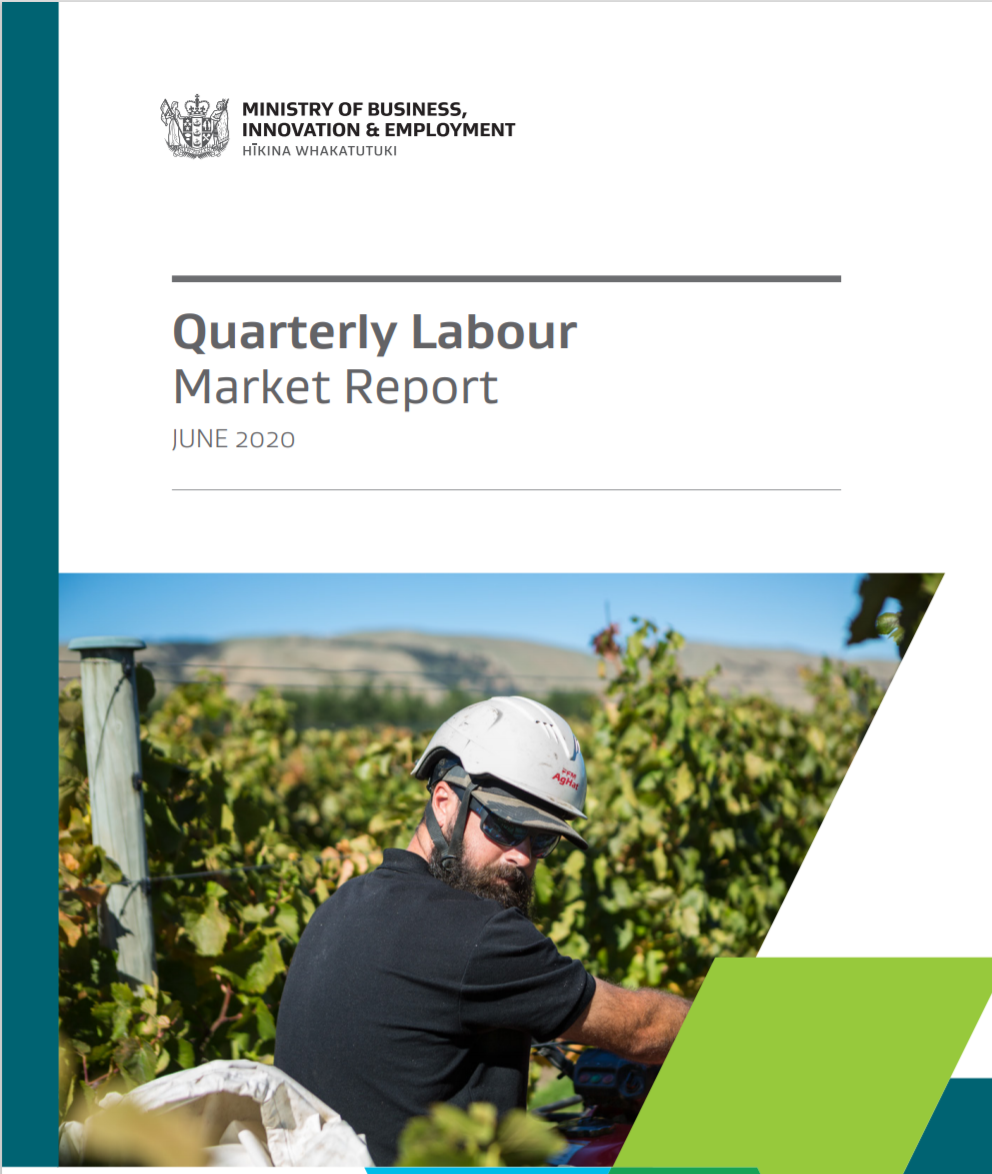
Believe it or not, the quarterly Labour Market Report indeed says that we are at 4.0% as of the latest report (end June Quarter). Surprised? Me too!

They explain in the report why this number makes no sense – “To be classified as unemployed, a person must be actively seeking work, which many found difficult due to the lockdown.” – Taken from here (page 2): https://www.mbie.govt.nz/…/11883-quarterly-labour…

Anyone who reports that NZ has 4% unemployment must realize how many people are on subsidy. 1 million people took the first subsidy. I don’t know how many are still on, but it is high. 1 million is nearly half the work force(!) Those people are either not working or underemployed because their employers are struggling.

Why are employers struggling? Well that depends on the industry. Travel and tourism are struggling because they have no Clients. But what about Trades, Engineers, Teachers and people in niche areas of skill shortage?
NZ LABOUR SHORTAGES

Many foreign job seekers seem to think that NZ labour is no longer in shortage but has an oversupply. That is not true. We have massive labour shortages. Yes, unemployment rate is high but the newly unemployed people from the tourism industry or from middle management have not become skilled and experienced tradesmen or engineers. This takes time to happen and it mostly will come from younger generations. In other words, we need at least a decade to grow our society towards areas of skill shortage. I personally don’t see that happening.

I know many trades and engineering employers that struggle to find skilled labour. For example: making kitchens, fixing vehicles, maintaining factories, building boats, constructing buildings, plumbing houses, installing electrical, upgrading IT systems, etc… so many things absolutely must be done if we are going to function as a modern society and export to the hungry northern hemisphere.

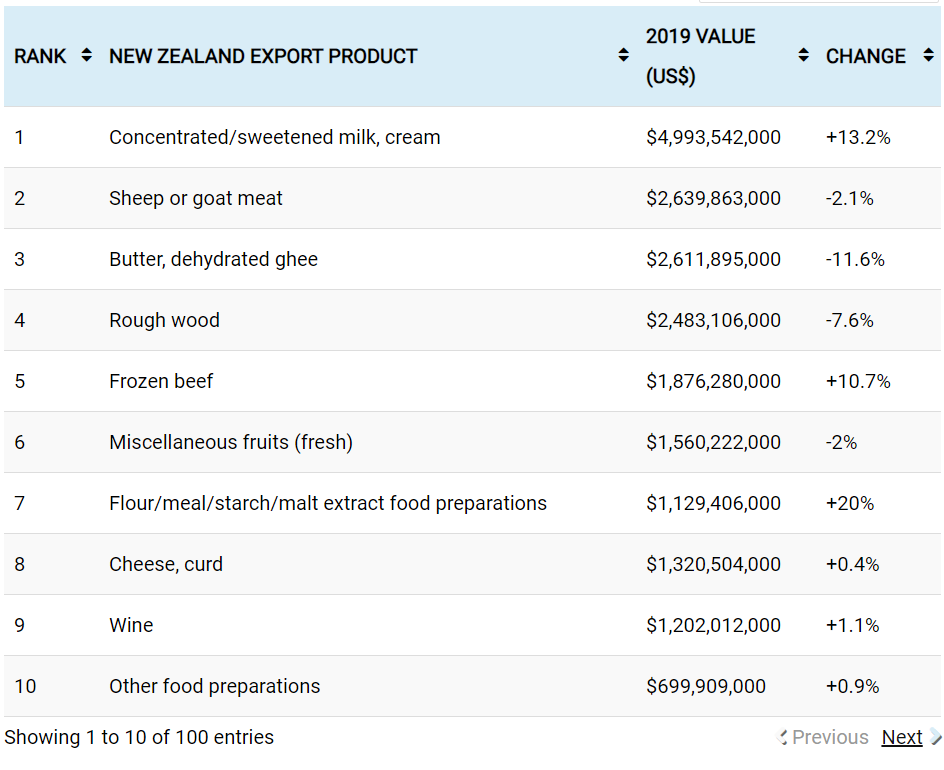
NZ has 21% GDP tied in some way to tourism and that is a struggling sector. The rest is tied to exports of food and forest. NZ is built on Food, forestry and tourism. The other sectors are largely dependent on foreign revenue that comes from these 3 sectors. We lost one of those three already (tourism) so the question is what happens to the other two (food and forestry)? See here – Top 10 NZ Exports: http://www.worldstopexports.com/new-zealands-top-10-exports/

So NZ has 1) higher real unemployment (not revealed by our statistics) and also we have 2) high labour shortages that are in most of the same sectors as we had prior to the CV-19 lockdown (with some exceptions).
TO WAIT OR PREPARE?

If you are a foreign skilled migrant waiting your your opportunity to start a new life in NZ and if you are a specialist in an area of high demand here, what advantage is it for you to wait? Logically speaking, we know that waiting is low risk but preparing is also low risk. Preparing happens before investment. Investment is where the risk comes in. Waiting is what most will do. Preparing is what exceptional people nearly always do when they have a good plan. Logically speaking, are you not better off to prepare for something early rather than wait and risk a rushed preparation?
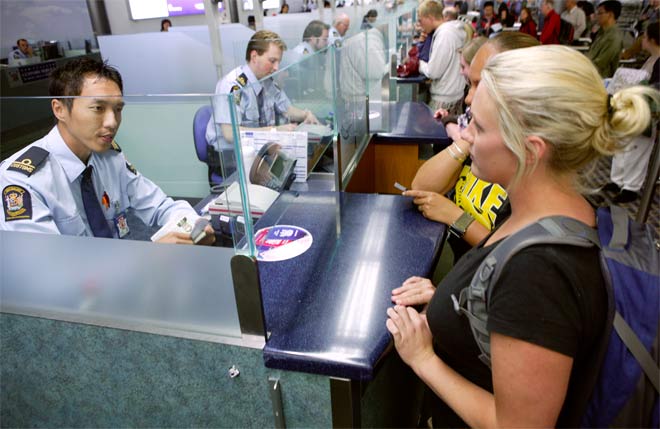
The first wave of skilled migrants will be at a distinct advantage over other waves that follow because they will be coming in fresh into a job market that has not seen skilled foreign labour for many months. First wave migrants will be hired by some of the most proactive employers in NZ that have the most opportunity to expand. This is an advantage that second and third wave migrants will not enjoy.

I know that preparing works because my Clients are scheduling job meetings with hiring managers in NZ companies that are interested in their skills. Some of my Clients are even getting job offers while abroad during Covid, which indicates we are doing things in the right way. Do I suggest that you should get job offers now? No, not at all. I only suggest to prepare for a successful trip now because it will empower you with options that you will not have if you simply wait.

If you have specialised skills and if you are interested to explore opportunities to be part of the first wave of immigrants coming into NZ, you may send your CV to me at tate@employmentforimmigration.nz

In response to every profile that has a “clear shot at success” on the job demand side, I will give you helpful feedback.