Uncategorized

What will it be like to be part of the FIRST WAVE of incoming job seekers after borders open again?

The moment when borders open will be unique in the history of the NZ economy. That is when the best and most proactive employers who have the most needs for talent will meet their equivalent on the other side – that is the most proactive job seekers who have the right talent and motivation worth waiting for.

So here is the situation, NZ needs the exact same skills now as we needed before Covid with a few notable exceptions: travel agents for example.

The Kiwis who have returned to NZ did not satisfy demand for needed skills. Many of them didn’t return to the workforce as employees but they set up their own business. In any case, most of the returning Kiwis were in other roles: hospitality for example.

What is most in demand: Nearly all trades workers, engineers and teacher roles are needed badly, so long as the qualifications and experiences are solid. For trades workers, it is possible still to have great experience and no formal trades qualifications and still get work, but the process to find it requires a more intense strategy. Not a problem for the right skills. I have many recent examples of this.

Other than the above-mentioned, nearly all roles are welcome in NZ as long as the foreign applicant is obviously “head and shoulders” above local applicants. This sounds like a scary thing right? How can you be far better than all local applicants? Well, the pool of local applicants is often very small. If your formal qualifications are solid and work experiences are exemplary, you may have a fit into niche professional roles like Change Management or Technical Sales.
COMMON QUESTIONS:

Has the structure of NZ job demand changed since Covid? I don’t believe so, other than for a few roles. The structural change might be 10% at most.

Has demand fallen away in NZ since Covid? Demand is stronger and more desperate on front line roles. The need is often very urgent. Business opportunities are passing by a lot faster than qualified applicants are coming available. The response from local employers is to decline business and cherry pick the best use of their time on higher margin projects. Many businesses are booked months in advance. This is the reality in most trades roles right now.

Is this a great time to be marketing? For trades – yes. For teachers – not now but later. For engineers – often times, yes, it depends. The best source for information about the job market is always going to come from active hiring managers in your niche. People who are serious about coming to NZ will want do do that now and I can certainly get that process underway for you. I have done this for many years in every kind of role. They key always begins with your core skills. To start that journey of understanding, a first step is always your CV and then a chat.

When is the best time to get hired? Some of my Clients who are doing marketing this year during Covid are getting job offers, believe it or not. I know of 7 so far. But the majority are collecting contacts and scheduling meetings for the time when borders open. It takes time to set up well and then it takes consistency to get consistent results. I can help you through this process until you are comfortable. I suggest preparing for the border announcement to the maximum of your ability if you are serious about your future in New Zealand.

What are the advantages and disadvantages of contacting employers right now? The advantages are knowledge, contacts, scheduled meeting arrangements, confidence and planning abilities. Being ready for the first wave of immigrants to get into NZ is a very advantageous position that will never be seen again in a person’s lifetime. When borders open, it will be a magical moment when the most proactive job hunters meet the most proactive hiring managers. The best of both sides will be a match made in heaven for both sides, generally speaking. And both sides have been waiting so long for this to happen. There are no disadvantages except for those who are not 100% committed to NZ. If not committed fully, then it may be a waste of time to start, especially if you change your mind later and decide on a different country.

What is the best way to prepare for the border announcement? Every skill set is different every job interview is different, every role is different. Preparing for your goals is key so if you are committed and if you want to know how you can best prepare, I need to start with your CV at tate@employmentforimmigration.nz and I will respond within a day
Uncategorized

New Zealand Border Strategies for Job Migrants

I see great advantages to be among the first wave of foreign skilled workers to enter NZ when borders are finally relaxed.

In this article, I address:

  1. NZ unemployment numbers
  2. NZ labour shortages
  3. Best options for proactive skilled migrants

NZ UNEMPLOYMENT

Believe it or not, the quarterly Labour Market Report indeed says that we are at 4.0% as of the latest report (end June Quarter). Surprised? Me too!

They explain in the report why this number makes no sense – “To be classified as unemployed, a person must be actively seeking work, which many found difficult due to the lockdown.” – Taken from here (page 2): https://www.mbie.govt.nz/…/11883-quarterly-labour…

Anyone who reports that NZ has 4% unemployment must realize how many people are on subsidy. 1 million people took the first subsidy. I don’t know how many are still on, but it is high. 1 million is nearly half the work force(!) Those people are either not working or underemployed because their employers are struggling.

Why are employers struggling? Well that depends on the industry. Travel and tourism are struggling because they have no Clients. But what about Trades, Engineers, Teachers and people in niche areas of skill shortage?

NZ LABOUR SHORTAGES

Many foreign job seekers seem to think that NZ labour is no longer in shortage but has an oversupply. That is not true. We have massive labour shortages. Yes, unemployment rate is high but the newly unemployed people from the tourism industry or from middle management have not become skilled and experienced tradesmen or engineers. This takes time to happen and it mostly will come from younger generations. In other words, we need at least a decade to grow our society towards areas of skill shortage. I personally don’t see that happening.

I know many trades and engineering employers that struggle to find skilled labour. For example: making kitchens, fixing vehicles, maintaining factories, building boats, constructing buildings, plumbing houses, installing electrical, upgrading IT systems, etc… so many things absolutely must be done if we are going to function as a modern society and export to the hungry northern hemisphere.

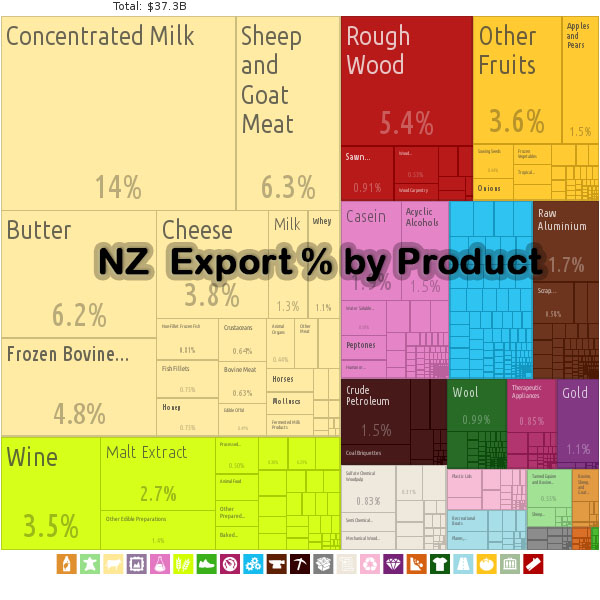
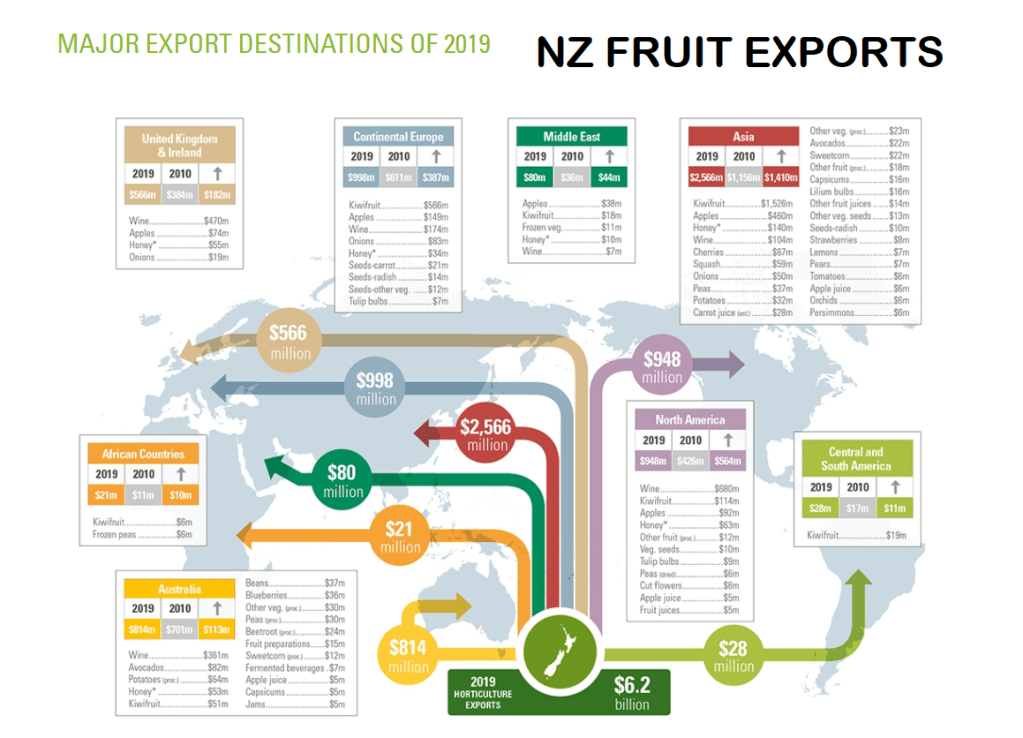
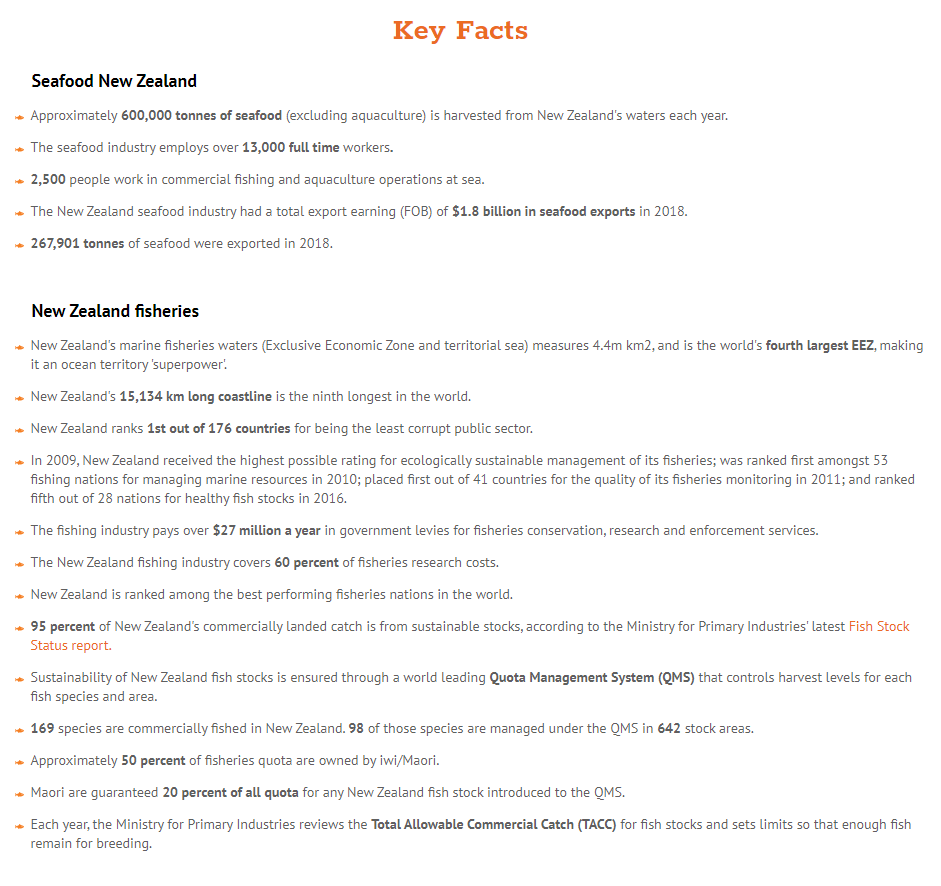
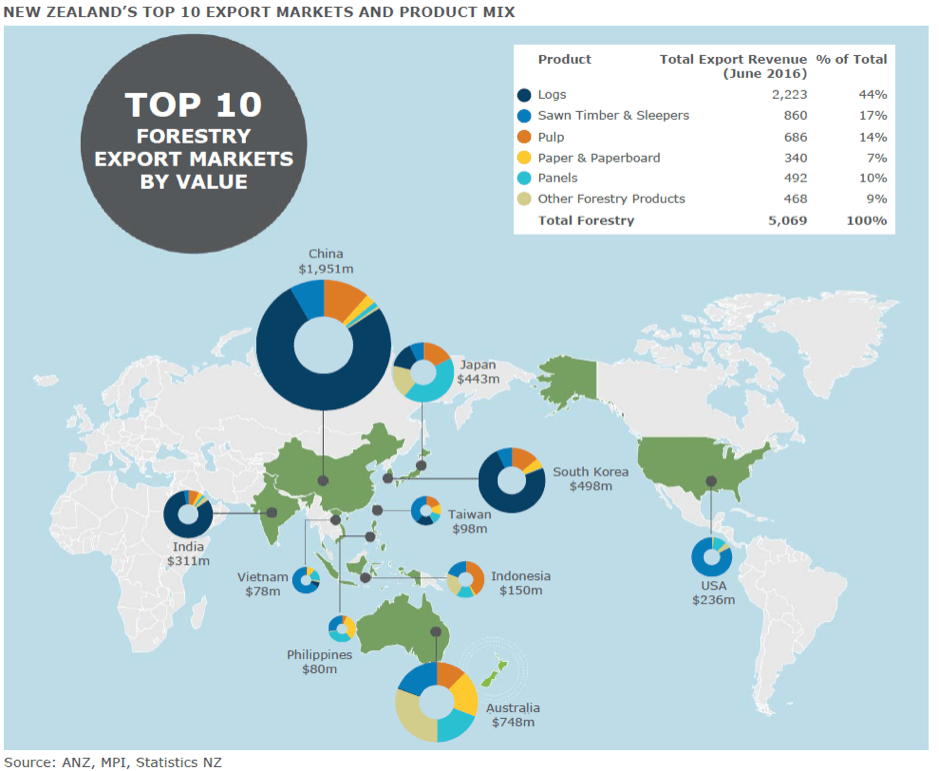
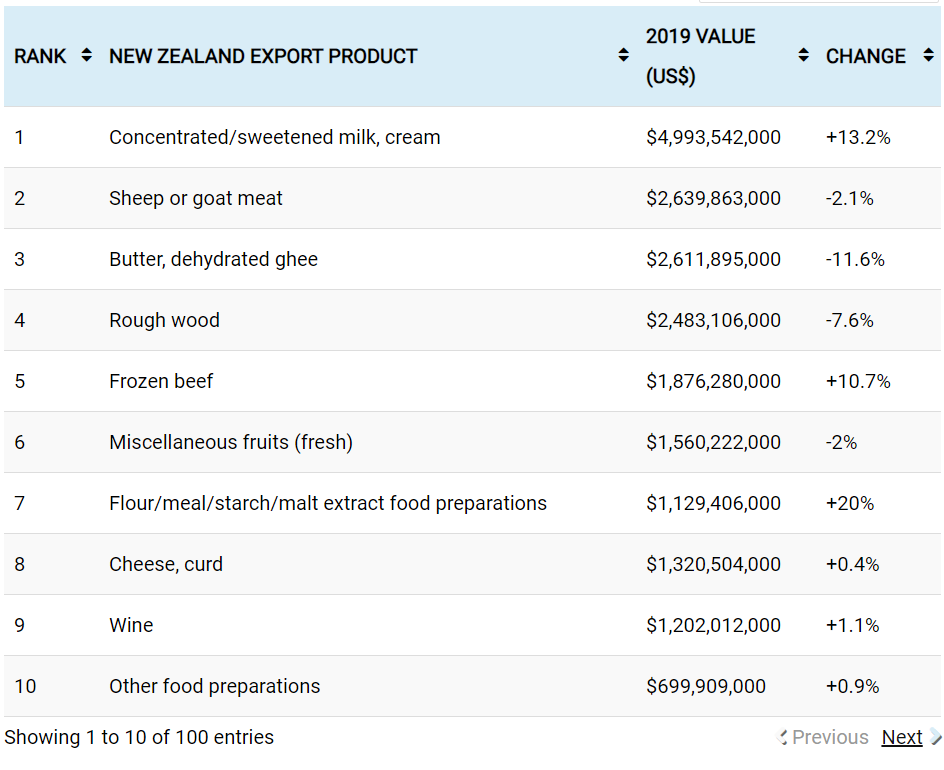
NZ has 21% GDP tied in some way to tourism and that is a struggling sector. The rest is tied to exports of food and forest. NZ is built on Food, forestry and tourism. The other sectors are largely dependent on foreign revenue that comes from these 3 sectors. We lost one of those three already (tourism) so the question is what happens to the other two (food and forestry)? See here – Top 10 NZ Exports: http://www.worldstopexports.com/new-zealands-top-10-exports/

So NZ has 1) higher real unemployment (not revealed by our statistics) and also we have 2) high labour shortages that are in most of the same sectors as we had prior to the CV-19 lockdown (with some exceptions).

TO WAIT OR PREPARE?

If you are a foreign skilled migrant waiting your your opportunity to start a new life in NZ and if you are a specialist in an area of high demand here, what advantage is it for you to wait? Logically speaking, we know that waiting is low risk but preparing is also low risk. Preparing happens before investment. Investment is where the risk comes in. Waiting is what most will do. Preparing is what exceptional people nearly always do when they have a good plan. Logically speaking, are you not better off to prepare for something early rather than wait and risk a rushed preparation?

The first wave of skilled migrants will be at a distinct advantage over other waves that follow because they will be coming in fresh into a job market that has not seen skilled foreign labour for many months. First wave migrants will be hired by some of the most proactive employers in NZ that have the most opportunity to expand. This is an advantage that second and third wave migrants will not enjoy.

I know that preparing works because my Clients are scheduling job meetings with hiring managers in NZ companies that are interested in their skills. Some of my Clients are even getting job offers while abroad during Covid, which indicates we are doing things in the right way. Do I suggest that you should get job offers now? No, not at all. I only suggest to prepare for a successful trip now because it will empower you with options that you will not have if you simply wait.

If you have specialised skills and if you are interested to explore opportunities to be part of the first wave of immigrants coming into NZ, you may send your CV to me at tate@employmentforimmigration.nz

In response to every profile that has a “clear shot at success” on the job demand side, I will give you helpful feedback.

Uncategorized

The NZ Economy and Local Markets Remain Resilient

I had the great pleasure of meeting a Client face-to-face and his wonderful wife. We had coffee here in Nelson earlier this week and considered his status – top manager in ICT, can do everything with networks – setting them up, planning, implementing, training anyone to do any part of them, keeping control over the critical points to ensure it stays working and of course great client interface and business development experience. He is an “all-rounder” as they say here.

Even Competitive NZ Job Markets Need Top End Foreign Skills:

ICT Management roles are competitive in NZ. However, if you really excel at something, then you have very few competitors. There will always be plenty of ICT applicants that are local but can they perform on the level of the foreign job applicant? Employers want to get the best person for the job.

People are saying that the job market is bad. I disagree. Yes, it is slower. However, my Client has gotten a job offer during this Covid-19 crisis and he is in a competitive industry where foreigners typically struggle, even before all this happened.

The situation with the job market today is simple: I see a slower than normal job offer flow rate, and that is all. Nothing else changed so far. The same roles that were attractive to local employers prior to Covid are also attractive now, with a few notable exceptions, for example in travel and tourism, chefs, pilots, etc… Hopefully people in those areas of struggle can upskill or find lateral positions in other industries where their skills directly apply.

The Resilient NZ Economy:

We produce a lot of products made by our soil, sea and sun. And we consume very little of what we produce. So that means that we export a lot of food and wood to the hungry northern hemisphere. These are mostly staple products that all people need to live. We have slowdowns but we never have zero demand for food exports. NZ is lucky to have so much abundance in food, forest and hydroelectric power. This means, even in difficult times, we are exporting and we are living. If exports slow down, we can easily slow down our consumption of imports and still be OK.

When a crisis hits the world, the northern hemisphere still has to eat and we have plenty of food. Our wood is used in many segments of the construction industry. I don’t see demand falling off for long on NZ products of export. This translates to more stability than most other countries dream about.

Here are the scenarios, in a nutshell: When an economic boom hits the world, NZ does OK economically. Not as well as a New Yorker or a Londoner or a Dubai worker perhaps, but who wants that lifestyle that of the rich and stressed? When a crash hits the world, NZ still does OK. I see all this making sense for staying positive on the goal of living a good life in NZ under a rainbow of different possible scenarios long term.

Local Demand for Skilled Foreign Workers Still Exists:

I want to address the feeling of doom and discouragement that job applicants feel with a recent example. This week I was assisting a diesel mechanic. As I was talking to local diesel mechanic employers, I have seen a big demand and some active interest. So as a result, my Client is able to set up meeting targets prior to his visit. This brings him confidence and progress. He will be among the first wave of job seekers to return to NZ and he will land with meeting targets already established. And this is all being done in the worst economy in human history. I understand things might get worse, but for this particular Client, he already is 100% committed to New Zealand as a place of residence. So for him, the timing of the border is not under his control so he is managing what is under his control. And many of you reading this would also feel the same, and the same things can be done for you.

If you are in that category and need help getting results with hiring managers prior to your eventual visit, I can easily be found at tate@employmentforimmigration.nz – just send your CV, any questions you have, and a bit about your current status. I will answer everyone within a day most of the time, even on weekends.

If you are a current Client who has been on hold due to the lockdown and you are wanting to start things back up again, this is a good time to make contact with the market. When we let the market speak, we risk nothing and we learn much every time. Let me know if you need any support. You get priority with me.

Blessings all!

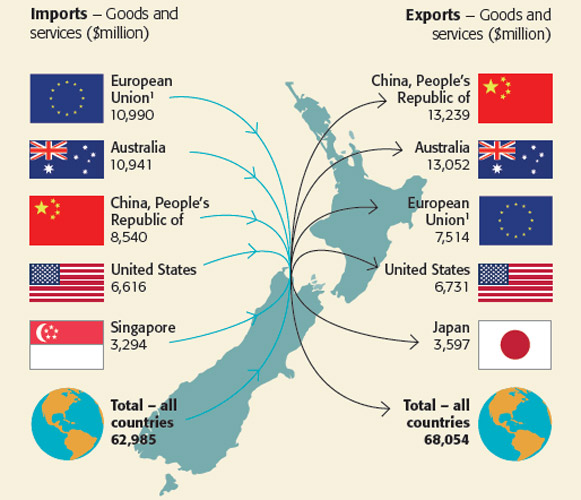
New Zealand Trade by Country and Volume
NZ Exports by Category and Share $
NZ Fruit Facts
NZ Fish Facts
NZ Forest Facts
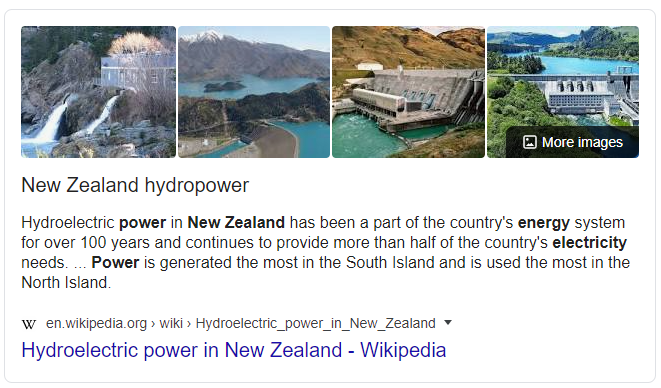
NZ Hydro Power
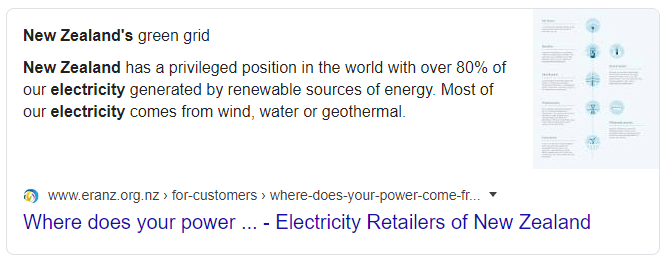
NZ Renewable Energy Availability
Uncategorized

Shameless promotion of New Zealand…

New Zealand is near the bottom of the world geographically, but wins surprisingly high rankings in the world socially, economically, environmentally, culturally and politically.

Past accolades for New Zealand, with links:

And I will add three more: 1) best country to raise a family, 2) best country to be in when the stuff hits the fan globally, 3) best country for achieving a “work-life balance”.

And now we get to leadership. Our Prime Minister’s political acumen is deft. PM Jacinda Adern proved it during the Christchurch shooting and now again during the Covid-19 lock-down.

Unlike most other world leaders, New Zealand Prime Minister Jacinda Ardern has generally avoided war metaphors in uniting her country against COVID-19. She tends not to refer to the coronavirus as “the enemy” or her fellow citizens as “soldiers.” Instead, she speaks of a “team of 5 million,” the population of her nation. When asked if she was afraid of the virus, she responded, “No. Because we have a plan.”

https://www.csmonitor.com/Commentary/the-monitors-view/2020/0429/The-not-so-secret-sauce-of-New-Zealand-s-success?cmpid=shared-email

Does the entire country agree with all her policies? No. But most of NZ supports her leadership even while working through issues. Maybe that is how Democracy was supposed to work?

Attaching few popular videos below:

Nearly 49 million views at time of publishing – “Ahead of the final of Rugby World Cup 2011 in New Zealand, the French team formed an arrow as the All Blacks performed their pre-match tradition – the haka.”
13 million views filmed at the site of New Zealand’s first bungy jump.
“In the small town of Riverton at the bottom of New Zealand’s South Island is Robert and Robyn Guyton’s amazing 23-year-old food forest. The 2-acre property has been transformed from a neglected piece of land into a thriving ecosystem of native and exotic trees.”
Even Orcas are friendly?
Story behind this video click here –https://www.youtube.com/watch?v=zMo86nwqNAc
“Learn some basics about the country, including what you have to do & see once you arrive, when it’s best to travel and which food & drinks you definitely need to enjoy throughout your journey.”

Uncategorized

The Great Post-Lock-Down Launch Begins Monday!

Immigrants who get in ahead of the next wave will have advantages over those who follow. Foreign immigrants still have restrictions on travel for now but many NZ businesses need foreign skilled labour now, having lost many non-resident contractors in the last 1-2 months.

For immigrants, here are my two favourite time frames for taking effective action:

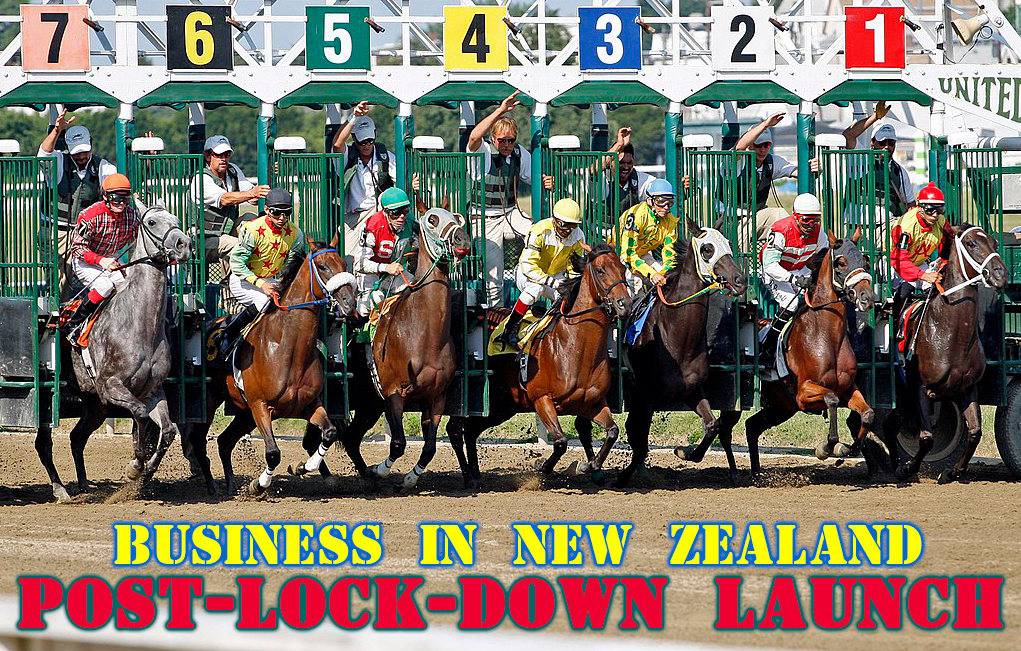
1) This Monday, 27th of April 2020, NZ companies are preparing to re-start their businesses like horses lining up for a race. Starting next week, NZ businesses will be active and possible to engage (with the right kind of preparation and approach)

2) And the early Spring hire has been a traditional annual peak for permanent hires in NZ for a long time. Assuming international travel is possible by then, preparation will once again be key.

There is a story of a large plumbing company in NZ that lost 50 qualified and skilled plumbers because they were on contract and not residents. That company and other companies in other industries will have to figure out how to manage existing orders with most of their workforce gone overnight.

For foreign skilled workers looking for their best shot at immigrating to New Zealand this year, the time is now for preparing. Great implementation follows great planning and preparation.

Let me know if you have any questions about immigrating to New Zealand as a skilled worker.

Uncategorized

My Daughter Served Dinner to Our Prime Minister Last Week

Originally Published on October 25, 2019

Urban, Nelson

Last Friday, one week ago, our Prime Minister of New Zealand,  Jacinda Adern, came into the little cafe where my Daughter worked while on her shift.  

Jacinda came with 3 body guards: One stood at the front entrance, another covered the back door, and the third stayed in the dining room with Jacinda at a separate table and ate food.

There was no announcement beforehand, no media, and nobody in the restaurant bothered her with selfies or autographs or even questions. The most that people would do is simply say “Hi” in a soft voice while walking by if eye contact was made. That’s it.

Regarding the staff, every employee in the cafe got a turn to serve Jacinda’s table while Jacina was just enjoying her dinner with her partner, just like everybody else in the cafe.

And that’s all that happened.

***

What do you all think of that?

I have lived in a few countries. The way the US and Russian heads of state move around is unbelievable. They actually have literal paramilitary forces around them all the time and areas get sectioned off for them. Probably out of necessity, I don’t argue with that. I just think it is amazing that we live in a country where a popular Prime Minister can have the above experience her own country where everyone obviously recognises her and goes out of their way not to bother her with comments and photos or even stares.

There are probably 100 countries on my contact list, so let’s consider this question locally: What would happen if the leader of your country came into a small cafe unannounced and tried to eat food “just like everybody else”?

Uncategorized

New Zealand Needs Front Line Tradespeople

Are your skills in high demand? You might be pleasantly surprised.

For many years, New Zealand has been screaming out for front line tradespeople. Still in 2020, demand is as strong as ever.

What do I mean by “front line” and what do I mean by “trades”?

  • “Tradespeople” are qualified, typically signed off after 4 years of apprenticeship where they carry out both practical and theoretical studies on the job.
  • “Front Line” workers are those who work on the tools, on the machines with their hands, finishing projects. It is OK to be a manager or supervisor but the critical issue is to have experience with hands getting mechanical or electrical or welding or building projects done with tools in hand. If you can do that, you are able to do “front line” work.

Which Front Line Trades have the most in demand?
* Diesel mechanics
* Auto Mechanics
* Aeronautical mechanics
* Marine mechanics
* (yes, all types of other mechanics)
* Commercial electricians
* Residential electricians
* Industrial electricians
* (yes, all types of electricians)
* Fitters & Turners
* Boilermakers
* Millwrights
* Machinists
* Welders / fabricators
* Carpenters
* Drain layers / Plumbers
* Riggers / Scaffolders
* Cabinet makers
* Butchers
* high-end Chefs
* exceptionally trained police
* Etc.

These people are often found in workshops, factories, construction yards, other types of production facilities.

Are Tradespeople most in demand? No. So what other skills does New Zealand want?

Besides the above-mentioned trades, many you know that NZ also needs all sorts of Engineers and all sorts of Teachers. Those two groups deserve their own huge lists.

And let’s not forget those exceptionally skilled salespeople, IT Gurus, General Managers, Directors, CFOs, Chartered Accountants, Project Managers, Logistics and HR professionals. For all middle and upper management people, the skill sets will need to be exceptionally high to be seriously considered as a foreign hire by most NZ employers.

Can it be said in another way? How to middle managers and top managers get work in NZ?

To say another way, if you have exceptional skills and measurable achievements that set you apart from others in your job sector and if you also have a relevant university degree, you may have a demand for your skills in New Zealand, even if you don’t appear on the “Long Term Shortage List”.

Keep in mind that the official NZ job shortage lists are useful for immigration purposes but not so much for job seekers. The list does not accurately reflect the reality of local demand. So don’t worry if your job title is not on a skills shortage list. As a government list, it pretty good, but it is still a government list. https://skillshortages.immigration.govt.nz/

Do you have to be either highly qualified or educated in order to get work as a foreigner in New Zealand? Skilled but not qualified tradespersons can still get work in New Zealand:

  • Mechanics who aren’t trade qualified but can fix anything – this can work.
  • Skilled builders on commercial / residential sites, even without a trade qualification, can get work.
  • I have seen it work also for hospitality managers

Mostly, it is true, the NZ business community and NZ immigration authorities have a bias towards qualified and skilled workers. However, there are notable exceptions.

What are the action points?

If you see your skill set and experiences represented up there, please get my attention with your CV. In return, I will respond to your CV with a general assessment in about a day or two, depending on workload.

Just send your CV with any comments you like to make about your status to Tate@employmentforimmigration.nz I will respond as soon as I can, a day or two usually.

Uncategorized

Sasha Presents Her NZ School Experience – Age 6-18

What is it like to enter NZ as a young foreigner, not knowing anyone or anything about the culture? Find out from Sasha in this video. Useful to parents and children who will feel more relaxed, knowing what to expect.

Sasha arrived into NZ in 2007. English was not her native language, but her experience was positive one from the beginning and now she has a Kiwi accent.

Topics covered:

  1. Experiences and differences between Primary, Secondary and High School (College)
  2. Student care and support from teachers
  3. Homework
  4. Bully policy
  5. Friendships
  6. Cultures
  7. Town life
  8. Extracurricular events
  9. Parties

This video has helped many foreign girls and boys feel comfortable with their relocation plans.

Originally recorded in September 2019