
Market Updates

Where to Earn and Thrive: The Best-Paid and Most Rewarding Jobs in New Zealand and Australia

Choosing where to work is one of the most important decisions a skilled migrant can make. New Zealand and Australia both offer high-paying jobs and rewarding careers, but how do they compare? From the booming finance sector in Australia to the adventure-driven industries in New Zealand, this guide will break down the top five highest-paying and most fulfilling careers in both countries. Whether you’re chasing a lucrative salary or a lifestyle that balances work and wellbeing, here’s what you need to know.


Highest-Paid Professions

New Zealand

  1. Judge (NZ$334K–$490K per year)
    The legal system rewards its highest officials well, with judges being among the top earners in the country.
  2. IT Architect (NZ$140K–$200K per year)
    With New Zealand’s growing tech sector, IT architects are in demand for designing complex enterprise systems.
  3. Building and Construction Manager (NZ$92K–$224K per year)
    The booming construction sector, driven by population growth, makes this role highly lucrative.
  4. Marketing Manager (NZ$96K–$230K per year)
    As businesses expand their digital presence, experienced marketing managers command high salaries.
  5. Information Technology Manager (NZ$110K–$180K per year)
    IT managers oversee technical teams and infrastructure, making them key players in New Zealand’s digital economy.

Australia

  1. Surgeon (AUD 500K+ per year)
    Specialist surgeons, including neurosurgeons and cardiothoracic surgeons, earn top-tier salaries.
  2. CEO/Managing Director (AUD 200K–1M+ per year)
    Business leaders in major corporations can earn multi-million-dollar salaries.
  3. Hedge Fund Manager (AUD 250K+ to millions per year)
    With Australia’s robust financial sector, hedge fund managers rank among the best-paid professionals.
  4. Senior Barrister (AUD 300K–5M per year)
    Top legal professionals, especially in corporate law, can command significant earnings.
  5. Commercial Pilot (AUD 300K+ per year)
    With Australia’s large domestic and international travel industry, experienced pilots are highly compensated.

Most Rewarding Professions

New Zealand

  1. Community Support Worker
    Supporting vulnerable individuals provides emotional satisfaction alongside stable employment.
  2. Aged Care Support Worker
    With an aging population, this profession is in high demand and offers fulfilling career paths.
  3. Outdoor Leisure Worker (e.g., Skydiving Instructor, Snow Sport Instructor)
    Adventure tourism is a major industry, making roles in outdoor sports both rewarding and exciting.
  4. Healthcare Professional (e.g., Psychologists, Radiologists, Physiotherapists)
    A profession that combines good pay with the opportunity to make a real difference in people’s lives.
  5. IT Professional (e.g., System Administrators, Programmers)
    Tech workers enjoy job satisfaction from problem-solving and innovation, along with solid pay.

Australia

  1. Counsellor
    Helping individuals manage mental health challenges is highly rewarding and increasingly valued.
  2. Community Support Worker
    Just as in New Zealand, these workers are essential for providing support to vulnerable communities.
  3. Aged Care Support Worker
    Australia’s aged care industry is growing, offering meaningful and stable career opportunities.
  4. Mental Health Support Worker
    Mental health awareness is on the rise, making this an impactful and fulfilling career.
  5. Personal Care Assistant
    A role that supports individuals in daily living, providing a mix of job security and personal satisfaction.

Economic and Social Comparisons

Similarities

  • Healthcare and Community Roles: Both countries highly value healthcare and social support professions.
  • IT Sector Growth: Technology professionals are in demand in both nations, offering strong career prospects.
  • Legal and Financial Careers: These professions rank among the highest-paid in both economies.

Differences

  • Salary Levels: Australia generally offers higher salaries across professions, particularly in finance and medicine.
  • Industry Focus: New Zealand has a stronger emphasis on tourism and adventure-based roles, while Australia excels in finance, mining, and healthcare.
  • Cost of Living: While salaries are higher in Australia, the cost of living can also be significantly greater, particularly in major cities like Sydney and Melbourne.
  • Work-Life Balance: New Zealand is renowned for its relaxed lifestyle and work-life balance, while Australia offers more high-pressure, high-reward opportunities in corporate sectors.

Which Country is Right for You?

  • Choose New Zealand if you value work-life balance, enjoy outdoor and adventure-based work, or seek a smaller, community-driven environment.
  • Choose Australia if you’re aiming for high-paying executive roles and thrive in a larger, competitive economy.

Both countries offer exceptional career opportunities, and the best choice will depend on your professional goals and lifestyle preferences.


Sources

[1] https://edvoy.com/articles/15-high-paid-jobs-in-new-zealand-you-need-to-consider/
[2] https://www.workingin-newzealand.com/news/top-in-demand-jobs-in-new-zealand-in-2023/
[3] https://www.upskilled.edu.au/skillstalk/most-enjoyable-jobs-in-australia
[4] https://cdrelitewriters.com/blog/working-in-australia-vs-new-zealand/
[5] https://www.training.co.nz/highest-paying-jobs-new-zealand/
[6] https://kiwieducation.com/nz/work/in-demand-specialists-in-new-zealand/
[7] https://kiranacolleges.edu.au/the-five-most-enjoyable-careers-in-australia/
[8] https://medrecruit.medworld.com/articles/australia-vs-new-zealand-which-is-better-for-doctor-jobs
[9] https://medrecruit.medworld.com/articles/what-does-a-doctor-earn
[10] https://www.msmunify.com/blogs/highest-paying-jobs-in-australia/
[11] https://www.seek.com.au/career-advice/role/surgeon/salary


Practical Advice

Moving Abroad? Stop Your CV from Disappearing & Get Hired Faster

Moving abroad is exciting—until your job applications start disappearing into a black hole. If you’re not getting interviews, it’s not because you’re unqualified. The system is broken, and you need a strategy that works.

The good news? You can flip the odds in your favor—but only if you understand how employers think.

Why You’re Not Getting Interviews—And How to Fix It

1. You’re Competing Against 100+ Candidates—How Do You Stand Out?

Your CV is one of hundreds in a recruiter’s inbox. Hiring managers skim applications for seven seconds or less before making a decision. If yours doesn’t grab attention immediately, it’s gone.

2. Hiring Systems Are Designed for Employers—Not Job Seekers

Automated filters, keyword tracking, and impersonal rejection emails keep the process efficient for companies—but frustrating for job seekers. Even highly qualified candidates rarely get real feedback.

3. Employers Won’t “Discover” You—You Have to Get in Front of Them

A generic CV and cover letter won’t get noticed. If your application doesn’t show measurable impact (e.g., “Increased efficiency by 25%”), it won’t stand out in a crowded job market.

4. Foreign Candidates Face Extra Hurdles

Visa concerns and lack of local experience make it harder to compete. Many employers default to hiring locals unless you prove you’re worth the extra effort.

5. A Weak Interview Can Kill a Strong Application

Getting an interview isn’t enough—you have to sell your value in a way that meets the employer’s needs. If you can’t communicate your impact clearly, even the best application won’t save you.

6. Passive Applications Get You Nowhere

Waiting for a recruiter’s email? The odds aren’t in your favor. Job boards generate less than a 2% response rate—but well-prepared direct engagement with decision-makers can boost this beyond 80% consistently.


How to Cut Through the Noise & Get Hired Faster

1. Get Personalised Responses from Employers

Employers want hiring to be successful and efficient—your application should make their job challenges easier. A personalised, targeted approach gets far more responses than generic applications.

2. Use a High-Response Strategy (80% vs. 2%)

Mass-applying doesn’t work. Instead, a direct, strategic approach can boost response rates from 2% to 80%.
How?
✔ Prepare a “best-in-class” profile
✔ Engage directly with decision-makers
✔ Skip the competition by using smart employer targeting

3. Show Results, Not Just Job Duties

Employers don’t hire tasks—they hire results.
Wrong: “Managed operations, organised meetings, created reports.”
Right: “Improved production efficiency by 25%, reducing costs and increasing revenue.”

4. Ace the Interview – Prove Your Value in 60 Minutes

An interview isn’t just about answering questions—it’s about showing how you’ll solve their problems. A structured approach ensures you present your achievements persuasively.

5. Go Beyond the CV – Use Multimedia to Your Advantage

Hiring starts before the interview. A professional profile builds trust, credibility, and interest.

🔹 Video CVs – Showcase your personality and expertise
🔹 Photo Portfolios – Provide visual proof of your work
🔹 LinkedIn Optimisation – Attract recruiter attention
🔹 Professional Branding – Position yourself as a top candidate

6. Stop Waiting – Take Control & Engage Employers Directly

Instead of hoping for a response, initiate the conversation.

We reach out directly to decision-makers—you should too.
✔ Use third-party introductions to bypass gatekeepers.
✔ Get customized employer pitches to start hiring conversations.

7. Get Expert Guidance & Avoid Common Mistakes

Many job seekers waste months—or even years— applying the wrong way.

✔ Impersonal applications get only 2% responses.
Avoid common pitfalls that waste time and opportunities.
Craft a winning strategy tailored to your strengths.
Fast-track your job search with expert guidance.


Your Next Step: Find Out What’s Holding You Back & Fix It

If you’re tired of sending applications and getting no response, it’s time to change your approach.

📩 Send your CV to Tate@employmentforimmigration.nz

Once I verify that your profile meets hiring standards, I’ll send you an exclusive invitation to my job-seeker presentation, where you’ll learn:

How to get noticed by employers (instead of ignored)
How to achieve an 80%+ response rate from applications
How to position yourself for serious hiring consideration

With my “End-to-End” Full Programme, I will walk with you through your entire job finding journey until you receive a job offer. Send your CV to me for helpful insights within 1 day at: Tate@employmentforimmigration.nz

Practical Advice

The Migrant Experience in Australia & New Zealand: What to Expect

Moving to a new country is an exciting opportunity for career growth and personal development. For migration-ready professionals considering Australia or New Zealand, understanding both the challenges and rewards of settling in these countries can help set the right expectations. While migrants generally report positive experiences, there are hurdles to overcome. Here’s a breakdown of the biggest struggles and most pleasant aspects of life in both Australia and New Zealand.

Biggest Struggles

Australia

  1. Finding Affordable Housing – High demand and rising costs make securing suitable accommodation a significant challenge.[1]
  2. Securing Employment – Older migrants, particularly those over 45, often face difficulties finding work.[5]
  3. Language and Communication Barriers – Even for English speakers, cultural differences in workplace communication can be an adjustment.[1][5]
  4. Racism and Discrimination – Some migrants report experiences of bias, particularly in employment and housing.[1][5]
  5. Lack of Australian Work Experience – Employers often prioritize local experience, making job searches harder for newcomers.[5]
  6. Skills and Qualifications Recognition – Some overseas qualifications are not recognized in Australia, requiring retraining or additional certifications.[5]

New Zealand

  1. Language Difficulties – Particularly challenging for Pacific migrants adjusting to an English-speaking environment.[4]
  2. Finding Suitable Employment – Those with limited education or qualifications face more difficulties securing work.[4]
  3. Adapting to a New Tax System – New tax regulations can be confusing for first-time filers in New Zealand.[3]
  4. Distance from Home or Family – The geographical isolation of New Zealand makes travel back home expensive and time-consuming.[3]
  5. Obtaining a Driver’s License – The process for license conversion or requalification can be complex for some migrants.[3]

Most Pleasant Experiences

Australia

  1. Climate and Natural Beauty – The sunny weather and stunning landscapes enhance outdoor living.[2][3]
  2. Multicultural Society – Australia’s diversity promotes a rich cultural experience and social harmony.[2]
  3. Welcoming Local Communities – Many migrants feel embraced by friendly and inclusive communities.[2]
  4. Beach Lifestyle and Outdoor Activities – The outdoor culture encourages an active and social lifestyle.[2]
  5. Career and Personal Growth Opportunities – A strong economy and thriving job market support long-term success.[2]

New Zealand

  1. High Life Satisfaction – 93% of migrants report being satisfied or very satisfied with their new life.[3]
  2. Feeling Settled – 87% of migrants feel at home in New Zealand.[3]
  3. Positive Experiences for Children – 94% of migrants say their children are happy and well-adjusted.[3]
  4. Strong Sense of Identity and Belonging – The cultural environment fosters a sense of community and inclusion.[8]
  5. Feeling Safe and Secure – New Zealand ranks highly for safety and quality of life.[8]

Both Australia and New Zealand offer welcoming environments and opportunities for professional and personal fulfillment. While the journey has its challenges, a well-prepared migrant can navigate these hurdles and build a successful life in their new home.

Sources

[1] https://www.roads-to-refuge.com.au/settlement/settlement-challenges.html
[2] https://www.smartmoveaustralia.gov.au/migrant-stories
[3] https://www.mbie.govt.nz/dmsdocument/2731-new-faces-new-futures-7-migrants-settlement-experiences-and-outcomes-pdf
[4] https://www.mbie.govt.nz/immigration-and-tourism/immigration/migration-research-and-evaluation/migrant-and-community-experience-of-migration
[5] https://www.aph.gov.au/parliamentary_business/committees/house_of_representatives_committees?url=ewr%2Fowk%2Fsubs%2Fsub33.pdf
[6] https://immi.homeaffairs.gov.au/settlement-services-subsite/files/settlement-experiences-of-new-migrants.pdf
[7] https://www.immigration.govt.nz/new-zealand-visas/preparing-a-visa-application/living-in-new-zealand-permanently/information-for-refugees-and-asylum-seekers/experiences-of-refugees-in-new-zealand
[8] https://www.mbie.govt.nz/dmsdocument/2688-new-land-new-life-longterm-settlement-refugees-main-report-pdf
[9] https://www.msd.govt.nz/documents/about-msd-and-our-work/publications-resources/research/diverse-communities-migrant-experience/migrant-experience-report.pdf
[10] https://pure.bond.edu.au/ws/portalfiles/portal/28916545/Green_Thesis.pdf

Market Updates

The Ultimate Short Guide to Migrating for Skilled Work in New Zealand and Australia (2025)

New Zealand and Australia remain among the most attractive destinations for skilled migrants seeking high-quality job opportunities, career growth, and pathways to permanent residency. Both nations face significant labor shortages, particularly in industries such as healthcare, IT, construction, engineering, and skilled trades. This guide provides a comprehensive look at the most in-demand jobs for 2025, the challenges employers face, and strategic steps for migrants to successfully secure employment and residency.


Top 10 In-Demand Jobs in New Zealand (2025)

  1. Software Developers – Expertise in coding, application development, and digital transformation.
  2. Registered Nurses – Strong medical expertise across specialties to support healthcare needs.
  3. Civil Engineers – Infrastructure planning, project execution, and sustainability-focused design.
  4. Cybersecurity Specialists – Data protection, network security, and threat mitigation.
  5. Quantity Surveyors – Cost estimation and financial planning for construction projects.
  6. Aged Care Workers – Providing essential support and care for the elderly population.
  7. Data Scientists – Leveraging machine learning and analytics to drive business intelligence.
  8. Electricians – Installation and maintenance of electrical systems across industries.
  9. Veterinarians – Animal healthcare and welfare expertise.
  10. Environmental Scientists – Sustainability practices and environmental impact assessment.

Top 10 In-Demand Jobs in Australia (2025)

  1. General Practitioners (GPs) and Specialists – Critical roles in medical diagnosis and treatment.
  2. Registered Nurses – Essential for hospital and aged care services.
  3. Software Developers – High demand for skilled coders and software engineers.
  4. Cybersecurity Experts – Protecting businesses from growing cyber threats.
  5. Civil Engineers – Managing major infrastructure projects and urban development.
  6. Early Childhood Teachers – Meeting the demand for quality education at the foundational level.
  7. Electricians – Key professionals in electrical system maintenance and renewable energy solutions.
  8. Aged Care Workers – Supporting Australia’s aging population with healthcare services.
  9. Mechanical Engineers – Designing and optimizing manufacturing and production processes.
  10. Construction Managers – Overseeing large-scale construction and resource allocation.

Why Skilled Migrants Are Needed in New Zealand and Australia

1. Labor Shortages Across Key Sectors

  • New Zealand faces a projected shortfall of 250,000 workers by 2048, particularly in healthcare, engineering, education, and trades.
  • Australia experiences ongoing shortages due to an aging population and rapid economic growth, leading to high demand in healthcare, IT, and construction industries.

2. Aging Workforce and Retirement Trends

  • One-third of New Zealand’s workforce is aged 55+, with many set to retire in the coming years, leaving skills gaps in various industries.
  • Australia’s labor market also struggles with workforce retention and a declining number of skilled professionals.

3. Competitive Global Talent Market

  • Both nations compete with other OECD countries for highly skilled professionals, making immigration pathways more attractive for the right candidates.

4. The Most Consistently Employable Professions

Over the years, despite all the changing shortages lists, highly skilled professionals have consistently found work. Those most closely connected to revenue generation, such as marketing and business development roles in growth sectors, remain in demand. Similarly, frontline roles that keep operations running include: qualified tradespeople, registered nurses, and registered teachers, and others on the front line. There is always room for hiring those who build the future one task at a time, getting jobs done.

Another segment of high interest – IT is undergoing another global growth phase, and specialists who stay on the cutting edge of industry changes will always be in demand. I can say the same for all engineers in all their diverse market segments.

Another category that stands on its own is the Super-achievers out there. You create opportunities at home consistenly so your skills will likely transfer to another country quite well. As a market-maker, you define your own career path. Your skills are diverse, and your profile is complex. How do you communicate your strengths in just a few minutes when it would normally take half a day? With experience and expertise, your complex skill set can be clearly communicated through a systemized approach, leading to higher response rates and improved hiring outcomes. A compelling example, among many others, is available here: https://atomic-temporary-163814143.wpcomstaging.com/2024/08/27/nanoscale-theoretical-engineer-snapped-up-by-the-netherlands/

5. Immigration Pathways to Residency

  • New Zealand: The Straight to Residence Visa is available for Tier 1 Green List roles, while the Work to Residence Visa applies to Tier 2 roles after 24 months of employment.*
  • Australia: The General Skilled Migration Program provides direct pathways for workers in priority industries.*
  • * If you need help with visas, we suggest the following established organisation for high competence, quality service and reasonable pricing:
    For New Zealand – https://www.newzealandshores.com/
    For Australia – https://www.australianshores.com/

How to Prepare for a Successful Job Application

1. How to Measure Job Seeking Effectiveness

  • The problem is not simply tailoring a CV or cover letter—it’s ensuring measurable results.
  • First Challenge – Job seekers should focus on how many personalized responses they receive from hiring managers about their profile. Each personalised response is an opportunity to advance towards the job interview stage. Templated responses typically do not offer this opportunity.
  • First Goal – The industry average response rate is 2%, while clients using our enhanced job-seeking process see an 80% response rate and 80% of those who migrate are hired through online interviews.
  • Managed Outcomes – Once the first goal is achieved, the job hunting process is less easier: getting shortlisted, invited, job interviews, job offers.

2. Get a Free Personal Evaluation and Customized Insights

  • Instead of generic application strategies, we offer a free expert evaluation of your CV, profile, and job search strategy.
  • Get customized insights on how to optimize your job applications for maximum engagement with hiring managers.
  • Send your CV for a free expert review within 24 hours: tate@employmentforimmigration.nz

What If You Are Not Yet Qualified?

If you lack the necessary qualifications or need to enhance your industry expertise, you can explore Pathway Navigator, a service designed to help individuals gain the right skills and credentials for migration. Learn more here: https://atomic-temporary-163814143.wpcomstaging.com/job-pathway/

For Qualified Professionals Ready to Migrate

For those who already possess the right qualifications and proven skills, the Full Programme offers the most comprehensive job search and visa support service available today. It ensures your profile stands out to top employers, helping you secure a job offer with confidence. Learn more here: https://atomic-temporary-163814143.wpcomstaging.com/find-the-job-you-deserve-with-comprehensive-support/


Source Links by Category

Job Market Trends

Immigration and Residency

Market Updates

Mining Jobs and Lifestyles in Australia: A Guide for Foreign Job Seekers

Mining Jobs in High Demand for Foreigners

Australia’s mining sector is one of the most lucrative industries, offering high salaries and visa opportunities for skilled foreign workers. Some of the most in-demand roles include:

  • Mining Engineers – Design and plan efficient, safe, and sustainable mining operations. Average annual salary: Approximately AU$124,416.
  • Geologists – Identify and analyze mineral deposits to guide exploration and extraction. Average annual salary: Approximately AU$124,416.
  • Heavy Equipment Operators – Operate essential machinery such as haul trucks and excavators. Starting annual salary: Around AU$140,000.
  • Electricians and Fitters – Maintain and repair mining machinery and infrastructure. Average annual salary: Approximately AU$124,416.
  • Environmental Specialists – Ensure mining operations comply with environmental regulations. Average annual salary: Approximately AU$124,416.
  • Project Engineers and Project Managers – Oversee large-scale mining projects. Average annual salary: Approximately AU$127,423.
  • Skilled Trades (Mechanics, Machinists, Drafters, Instrumentation Technicians)– Mechanics, machinists, drafters, and instrumentation technicians are in high demand. Average annual salary: Approximately AU$124,416.
  • Surveyors – Provide crucial mapping and measurements for mining sites. Average annual salary: Approximately AU$107,924.
  • Operators (Haul Truck, Grader, Excavator, Water Cart) Haul truck operators, grader operators, excavator operators, and water cart operators are frequently needed. – Starting annual salary: AU$140,000.

Please note that these figures are averages and can vary based on factors such as experience, location, and specific employer. Many of these roles qualify for skilled migration visas, including Subclass 189, Subclass 190, and employer-sponsored Subclass 482. Aligning migration visa goals to migration job goals is essential for success.

Available Mining Jobs and Exclusions for Foreigners

While Australia’s mining industry has many open positions, not all are accessible to foreign workers. Here are some of the roles that are typically open for qualified and skilled foreigners, filling gaps when locals are in short supply:

  • Geologists: AU$100,000 – $180,000 per year.
  • Underground Miners: AU$87,000 – $200,000 per year.
  • Coal Miners: AU$85,000 per year, varying with experience.
  • FIFO (Fly-In, Fly-Out) Workers: Average salary of AU$100,000 per year.
  • Electricians: Among the largest employing roles.
  • Mining Engineers: Consistently in high demand.
  • Production Managers: Oversee mining operations.
  • Drillers Offsiders: AU$120,000 – $140,000 per year for FIFO roles.

While many positions are available, some roles require Australian citizenship or permanent residency due to security, licensing, or union restrictions.

Mining Lifestyle Outside of Work

Mining professionals, particularly those on FIFO schedules, enjoy substantial time off. When not working, they often:

  • Return Home: Reconnect with family and friends.
  • Pursue Hobbies: Engage in sports, outdoor activities, and personal interests.
  • Travel: Utilize extended time off to explore Australia and beyond.
  • Socialize: Many workers enjoy vibrant social lives, though balance is needed to prevent burnout.
  • Participate in Community Events: Those living in mining towns benefit from local amenities such as schools, retail, and entertainment options.

Mining Lifestyle at Work

Mining camps offer numerous recreational facilities to support workers’ well-being:

  • Fitness Centers: Well-equipped gyms with cardio and weight training equipment.
  • Swimming Pools: Available for exercise and relaxation.
  • Sports Facilities: Including basketball, volleyball, cricket, and squash courts.
  • Walking and Cycling Paths: Providing options for outdoor exercise.
  • Common Rooms: Featuring large TVs, pool tables, and table tennis.
  • Outdoor Areas: Barbecue spots and cricket nets for social gatherings.
  • Entertainment Options: Karaoke, VR golf simulators, and organized social events.
  • Bars/Wet Mess Areas: Spaces for post-shift relaxation and networking.

These amenities help FIFO workers maintain a balanced lifestyle despite the challenges of remote work.

Summary for Migrants Interested in Mining Jobs in Australia

Australia’s mining industry presents an excellent opportunity for skilled foreign workers, offering high salaries, career growth, and visa pathways. However, it is essential to understand the job market, visa requirements, and lifestyle expectations before making the move.

For personalized job support and a no-cost assessment, meet Tate here: https://employmentforimmigration.wordpress.com/about-tate/

Sources by Category

Mining Jobs in High Demand for Foreigners

Available Mining Jobs and Exclusions for Foreigners

Mining Lifestyle Outside of Work

Mining Lifestyle at Work

Practical Advice

Immigration policies in New Zealand and Australia reflect perfectly what society wants and what employers want from new migrants

For new migrants, the key to securing employment is also the key to successful integration. The qualities that employers seek mirror what immigration authorities and society value in newcomers. By understanding these expectations, migrants can streamline their journey toward finding work and also thriving in the new culture. This alignment makes New Zealand and Australia unique among Western nations, offering a clear pathway to long-term success for those who embrace these principles.

1. Immigration Authorities: The Foundation of Skilled Migration

Both New Zealand and Australia have structured, merit-based immigration policies designed to attract skilled professionals who can contribute meaningfully to their economies. The criteria set by immigration authorities emphasize:

  • English Language Proficiency: A core requirement, ensuring migrants can integrate into the workforce and society.
  • Educational Qualifications: Higher education degrees, particularly in vocational and professional fields, are prioritized.
  • Skilled Work Experience: Demonstrated expertise in a relevant field, especially in occupations with high demand.
  • Age Factor: Both countries favor younger migrants, with Australia capping at 45 years and New Zealand at 55.
  • Occupation in Demand: Aligning with national labor shortages, priority is given to those with skills that fill gaps.
  • Professional and Technical Skills: A preference for migrants who bring specialized expertise.
  • Economic Contribution Potential: Assessing a migrant’s ability to positively impact the local economy.
  • Points-Based System: A structured method to rank candidates based on their qualifications, experience, and language skills.

This rigorous framework is not just about filling workforce shortages but about nation-building. The policies are designed to attract migrants who will succeed long-term, assimilate well, and enhance economic growth.


2. Employer Needs: A Mirror of Immigration Policy

Interestingly, what immigration authorities require and what employers seek are strikingly similar. While the bureaucratic process of visas and points-based assessment is dictated by policy, employers make decisions based on productivity, adaptability, and cultural fit. Key overlapping factors include:

  • English Language Proficiency: Employers also need migrants who can communicate effectively in the workplace.
  • Relevant Skills and Expertise: Just like immigration authorities, employers prioritize qualifications and technical competencies.
  • Work Experience: Especially local experience, which makes hiring decisions less risky.
  • Ability to Contribute to Growth: Businesses favor employees who can improve operations, introduce innovation, and help scale the company.
  • Occupation in Demand: With acute skill shortages in healthcare, construction, engineering, and IT, employers welcome migrants in these fields.
  • Cultural Fit and Adaptability: Employers seek individuals who will integrate well into their teams and company culture.
  • Commitment to Long-Term Employment: Employers prefer migrants who plan to stay, as turnover costs are high.
  • Salary Expectations: Recent shifts in visa rules require migrants to meet salary thresholds, aligning with business needs to hire qualified professionals at fair wages.

This high level of congruence between immigration rules and employer preferences is unusual on a global scale. In many Western nations, immigration policies and labor market needs often misalign, leading to skill mismatches. However, Australia and New Zealand have refined their approach to ensure that migrant selection closely matches economic and business demands.


3. Social Expectations: A Natural Extension of Policy and Employment Trends

Beyond immigration authorities and businesses, the broader public also has preferences for the type of migrants they welcome. The factors valued by society largely reflect those of employers and immigration officials, making for an unusual three-way alignment.

  • English Language Proficiency: Strong English skills allow migrants to integrate better into local communities.
  • Economic Contribution: Citizens appreciate migrants who add value to the economy and do not strain public resources.
  • Cultural Adaptability: The ability to fit into the local way of life, respecting traditions and customs, is important.
  • Professional and Skilled Background: People generally support migrants who bring expertise that complements the existing workforce rather than competing for lower-wage jobs.
  • Friendly and Relaxed Demeanor: Australians and New Zealanders value a laid-back attitude that fits their cultural ethos.
  • Appreciation for Nature and Outdoor Activities: Migrants who embrace the local lifestyle—whether it be hiking, beaches, or sports—are more welcomed.
  • Commitment to Long-Term Residence: Society benefits from stable, engaged residents rather than transient workers.
  • Family-Oriented Values: Migrants who bring families and integrate into community life are valued.

This societal perspective creates a welcoming environment where skilled migrants feel encouraged to assimilate. Unlike in some Western nations where tensions exist between migrant influx and public sentiment, Australia and New Zealand have structured their migration policies in a way that largely aligns with societal expectations.


4. The Unique Cohesion of New Zealand and Australia’s Migration Approach

Few Western nations have achieved the level of alignment seen in Australia and New Zealand, where government policies, labor market needs, and societal values are so well-integrated. This brings several key conclusions:

  • New Zealand and Australia offer a functional and fair immigration system, attracting migrants who will succeed and benefit society.
  • Employer and immigration authority criteria reinforce each other, reducing the likelihood of skills mismatches.
  • Societal preferences align with migration policies, ensuring that public opinion remains largely positive towards skilled migrants.
  • This level of coordination is rare; many Western nations experience disconnects between migration policies and labor market needs, leading to economic inefficiencies and social tensions.

Advice for Migrants: How to Align Yourself for Success

For prospective migrants, understanding these alignments can drastically improve your chances of a smooth migration journey:

  1. Strengthen Your English Skills: Language ability is a non-negotiable factor across all three layers—immigration, employers, and society.
  2. Choose a High-Demand Career Path: Focus on qualifications and work experience in industries facing shortages (healthcare, IT, engineering, construction, etc.).
  3. Gain Work Experience in a Related Field: If possible, get experience in a similar labor market before migrating.
  4. Emphasize Adaptability and Cultural Awareness: Employers and society favor those who can integrate easily.
  5. Commit to a Long-Term Future: Demonstrating intent to settle, rather than using a visa as a stepping stone, makes you more attractive to employers and policymakers.

Sources:

Immigration Authorities:

[1] https://www.mbie.govt.nz/dmsdocument/2734-competing-for-skills-full-report-pdf
[2] https://visaenvoy.com/australia-vs-new-zealand-immigration/
[3] https://www.aigroup.com.au/resourcecentre/research-economics/economics-intelligence/2024/measuring-migrants-contribution-to-the-australian-labour-market/
[4] https://www.mbie.govt.nz/dmsdocument/2735-competing-for-skills-at-a-glance-pdf

Employer Needs:

[5] https://www.beehive.govt.nz/sites/default/files/Employers%20of%20Migrants%20Report%20Feb%202006.pdf
[6] https://www.newzealandshores.com/new-zealand-job-search/will-new-zealand-employers-hire-migrants/
[7] https://www.immigration.govt.nz/employ-migrants
[8] https://www.mbie.govt.nz/dmsdocument/2729-new-faces-new-futures-5-migrants-labour-market-participation-pdf

Social Expectations:

[9] https://www.wgtn.ac.nz/cacr/research/1-page-research-summaries/What_makes_skilled_migrants_choose_New_Zealand.pdf
[10] https://www.mbie.govt.nz/dmsdocument/2731-new-faces-new-futures-7-migrants-settlement-experiences-and-outcomes-pdf
[11] https://www.msd.govt.nz/documents/about-msd-and-our-work/publications-resources/research/diverse-communities-migrant-experience/migrant-experience-report.pdf
[12] https://hrc-nz-resources.s3.ap-southeast-2.amazonaws.com/files/8014/2388/0518/HRNZ_10_rights_of_migrants.pdf

Practical Advice

The Reality of Migrating Without a Strong Profile

Many people dream of moving to countries like New Zealand or Australia for better job opportunities and a higher quality of life. However, the reality of securing employment as a migrant is challenging—even for highly skilled and qualified professionals. For those who lack specialized skills or proper qualifications, the barriers become nearly insurmountable.

Migration is expensive, time-consuming, and full of uncertainty. It requires not only meeting immigration benchmarks but also proving your value in a competitive job market. Without the right skills, experience, or professional background, the chances of long-term success are slim. Understanding these challenges early on can help individuals make better career choices and set themselves up for success before attempting migration.

Even highly skilled professionals struggle to secure jobs abroad. Here’s why:

  • High Cost of Migration: Visa fees, relocation expenses, and the cost of living in a new country can quickly deplete savings.
  • Strict Immigration Rules: New Zealand and Australia require migrants to meet specific income thresholds to qualify for permanent residency. These rules exist to prevent financial hardship and protect local job markets.
  • Job Market Competition: Employers prefer hiring locals first unless a migrant has a rare, in-demand skill set.
  • Emotional and Psychological Stress: Uncertainty, rejection, and financial pressure can take a toll on mental health.
  • Time and Risk Factors: Finding a job as a migrant can take months or even years, and failure to secure employment within a given visa period can result in forced departure.

If even skilled professionals face these difficulties, those without qualifications or specialized experience have an even harder time.

For those who lack formal training or years of experience in a specialized field, migration often leads to financial hardship rather than success. Many hopeful migrants believe they can secure jobs in low-skilled roles upon arrival, but most work visas are only granted to those earning above a certain income threshold. Without meeting these requirements, migrants often face:

  • Limited job options that don’t provide enough income to qualify for residency.
  • Legal and visa restrictions preventing them from working in certain industries.
  • Exploitation or job insecurity, as employers may take advantage of workers in vulnerable positions.
  • Failure to secure residency, leading to eventual return to their home country.

Instead of taking the risk of migrating without qualifications, a better approach is to focus on upskilling and gaining specialized experience in your home country first. This not only improves job prospects abroad but also ensures financial stability and professional success at home.

Steps to Prepare for a Successful Migration:

  1. Choose a High-Demand Profession: Research occupations that are in demand in New Zealand, Australia, or other Western countries.
  2. Gain the Necessary Qualifications: A four-year trade certification or university degree is often required.
  3. Develop Years of Competent Experience: Migration authorities prioritize candidates who have proven their ability in the workforce.
  4. Become a High Performer in Your Industry: Employers seek candidates who have demonstrated success in their field.
  5. Test Your Success at Home First: If you can secure a good-paying job and grow professionally in your home country, your chances of success abroad increase significantly.

Successful people find more success because they understand how to excel in their industry. Achieve success once at home, then leverage that experience for migration.

For those serious about aligning their career with migration goals, click here: Job Pathway Navigator provides a structured approach to:

  1. Assess current skills and qualifications.
  2. Identify gaps and develop an action plan.
  3. Map out a step-by-step strategy to achieve high-demand status.
  4. Receive coaching for job applications, resume building, and interview preparation.

A well-prepared candidate has a much higher chance of securing employment, qualifying for residency, and integrating successfully into a new country. If you are ready to take control of your future, start by sending your CV to Tate@employmentforimmigration.nz for a professional evaluation.

Migration is not just about moving to another country—it’s about bringing value to your new home and ensuring long-term success for yourself and your family. Take the right steps before making the move, invest in your skills, and set yourself up for a career that can thrive anywhere in the world.

By building a strong professional foundation, you can turn your migration dreams into a sustainable and rewarding reality.

Market Updates

New Zealand’s Agriculture, Agribusiness, and Agritech Job Opportunities

New Zealand’s agriculture sector is a cornerstone of the country’s economy, contributing significantly to its GDP and export revenues. The country’s diverse landscape and temperate climate provide a natural advantage for various forms of agricultural production. This market review explores New Zealand’s agriproduction, agribusiness, and agritech markets, highlighting key challenges, growth trends, and opportunities for skilled migrants seeking employment in these sectors.

Agricultural Production in New Zealand

New Zealand’s agricultural production is diverse and includes:

  1. Livestock Farming: The backbone of New Zealand agriculture, pastoral farming includes dairy farming, sheep farming, and beef cattle production. The country had approximately 6 million dairy cattle, 32 million sheep, and 4 million beef cattle as of 2018.
  2. Horticulture: New Zealand is a leading producer of kiwifruit, wine grapes, apples, and outdoor vegetables such as potatoes, onions, and squash. The sector benefits from strong export markets, particularly in Asia.
  3. Arable Farming: Cereal crops such as barley, wheat, and maize are grown on approximately 124,000 hectares, supporting both domestic food supply and export opportunities.

New Zealand’s Agribusiness Market

New Zealand’s agribusiness sector plays a crucial role in the national economy, with several defining characteristics:

  1. Export-Driven Industry: In 2019, agricultural exports were valued at NZ$46.4 billion, making up 79.6% of New Zealand’s total exported goods. The sector’s dependence on international markets means it is exposed to global economic trends and fluctuations.
  2. Dominance of Dairy: The dairy industry is New Zealand’s largest agricultural sector, with major players like Fonterra leading global dairy markets.
  3. Market Liberalization: Unlike many developed countries, New Zealand removed subsidies and price supports in the 1980s, creating a highly competitive and efficiency-driven agricultural sector.
  4. Sustainability and Environmental Regulations: The industry faces growing pressure to adopt sustainable practices, reduce carbon emissions, and improve water management.
  5. Diverse Agricultural Segments: While dairy is dominant, other major sectors include meat and fiber production, forestry, and horticulture, each offering distinct employment opportunities.

Agritech: Innovation and Growth

Agritech is a fast-growing industry in New Zealand, offering innovative solutions to enhance productivity, efficiency, and sustainability in agriculture.

Key Developments in Agritech

  1. Technological Advancements: New Zealand’s agritech industry includes areas such as precision agriculture, automation, data analytics, and biotechnology.
  2. Export and Commercialization: The government has identified agritech as a priority sector and has invested in initiatives to increase commercialization and export potential.
  3. Sustainability Solutions: Agritech innovations help address environmental concerns by optimizing land use, improving irrigation efficiency, and reducing agricultural waste.
  4. Addressing Labor Shortages: Robotics, automation, and artificial intelligence (AI) are increasingly used to mitigate labor shortages, particularly in horticulture and dairy farming.

Leading Players in Agritech

Several key players contribute to the success of New Zealand’s agritech sector:

  • Gallagher Group: Specializing in electric fencing and security solutions for livestock management.
  • LIC (Livestock Improvement Corporation): Providing genetic and data-driven solutions for dairy farming.
  • Ravensdown and Ballance Agri-Nutrients: Leaders in agricultural nutrients and precision fertilization technologies.
  • Callaghan Innovation: A government agency supporting agritech startups and research initiatives.
  • AgResearch and Plant & Food Research: Scientific institutions driving innovation in crop and livestock management.

Challenges and Future Trends

Despite its strengths, New Zealand’s agriculture and agritech industries face several challenges:

  1. Labor Shortages: The demand for skilled workers exceeds local supply, particularly in dairy, horticulture, and agritech sectors. This opens opportunities for migrant workers with expertise in farming, engineering, and agritech development.
  2. Sustainability Pressures: Stricter environmental regulations require innovative approaches to reduce carbon footprints and water usage in agriculture.
  3. Global Market Volatility: Dependence on exports makes the industry vulnerable to international trade disruptions, price fluctuations, and geopolitical shifts.
  4. Climate Change: Adapting to changing weather patterns and mitigating risks from droughts and floods are ongoing priorities for the sector.
  5. Technological Adaptation: While New Zealand leads in agritech innovation, the widespread adoption of new technologies requires continued investment in training and infrastructure.

Opportunities for Migrant Job Seekers

New Zealand’s agriculture and agritech sectors offer strong employment opportunities for skilled migrants:

  • Dairy Farm Managers and Technicians: Strong demand for professionals with expertise in herd management, milk production, and automation.
  • Horticultural Specialists: Opportunities in orchard management, crop science, and greenhouse technology.
  • Agricultural Engineers and Agritech Developers: Growing demand for experts in robotics, precision agriculture, and AI-driven farming solutions.
  • Supply Chain and Logistics Professionals: Essential roles in ensuring efficient agricultural exports and domestic distribution.
  • Sustainability and Environmental Consultants: Increasing need for expertise in sustainable farming practices and regulatory compliance.

Conclusion

New Zealand’s agriculture, agribusiness, and agritech industries are key drivers of economic growth, with strong demand for skilled workers. As sustainability, innovation, and global market engagement become increasingly important, migrant job seekers with expertise in farming, agritech, engineering, and supply chain management can find rewarding career opportunities. The country’s commitment to high-quality food production, technology-driven agriculture, and environmental stewardship positions it as a leader in global agricultural markets, making it an attractive destination for skilled professionals from abroad.

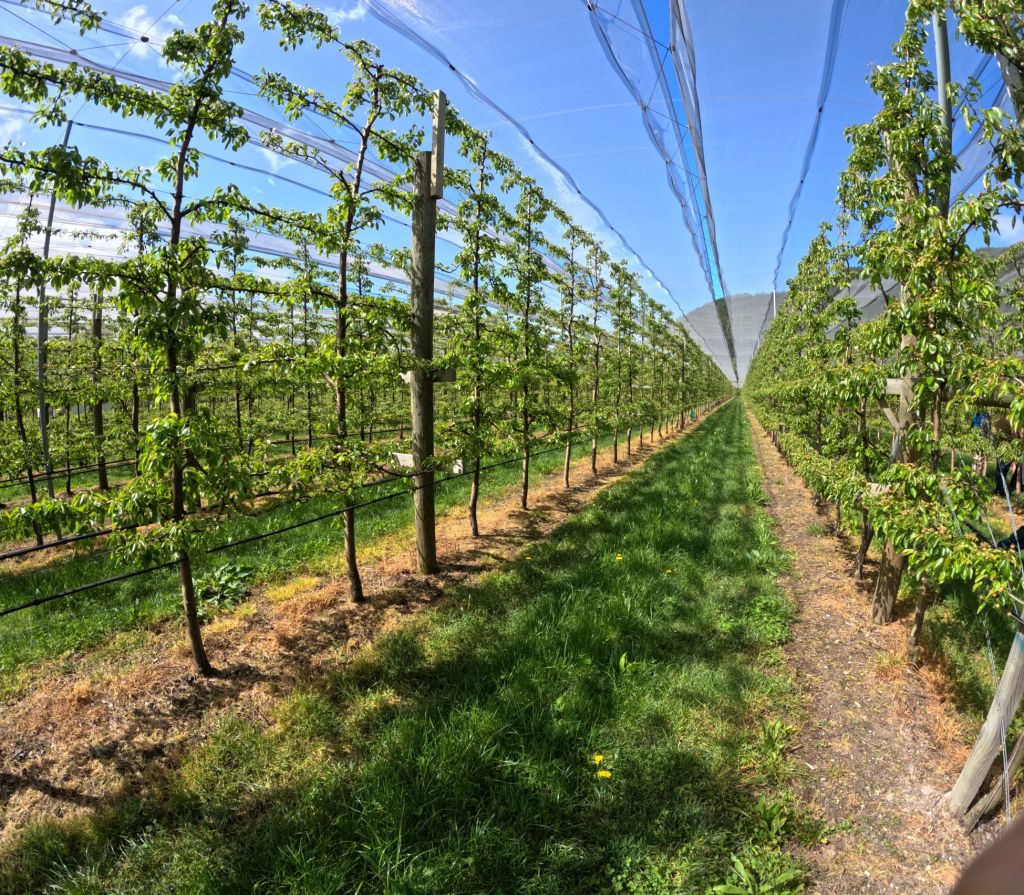
Echodale Pear Orchard, Motueka, New Zealand

Sources

Agricultural Production

Agribusiness Market

Agritech and Innovation

Labor and Employment

Market Updates

Trends in Offshore Work Opportunities in New Zealand

The job market in New Zealand is evolving, with growing opportunities for skilled foreign workers looking to secure offshore contract roles that may transition into full-time, onshore employment. Various industries are actively hiring international talent to fill gaps in the local workforce. This guide explores key sectors with demand for skilled workers, employer hiring challenges, and how foreign candidates can maximize their chances of long-term employment and residency.


Opportunities for Skilled Offshore Workers in New Zealand

1. Remote Work in ICT and Tech

New Zealand tech firms are increasingly hiring offshore professionals to fill ICT skill shortages, particularly in software development, cybersecurity, data analysis, and cloud computing. Many of these roles begin as remote contracts but can transition into permanent in-country positions for high-performing employees.

2. Engineering and Construction

The construction and infrastructure sectors face a critical shortage of engineers, project managers, and skilled tradespeople. While some companies initially hire offshore contractors, proven professionals often find pathways to onshore work through employer sponsorship or skilled migration programs.

3. Advanced Manufacturing

The demand for experienced technicians, automation specialists, and manufacturing engineers continues to rise. Many manufacturers are leveraging offshore talent to maintain competitiveness, with long-term opportunities for relocation when local talent shortages persist.

4. Marine and Offshore Services

Companies like New Zealand Offshore Services and Pacific7 offer opportunities for marine engineers, logistics coordinators, and operational staff. Workers with in-demand qualifications and specialized experience in offshore operations may secure contracts that lead to permanent employment in New Zealand’s maritime industry.

5. IT Services and Cybersecurity

New Zealand organizations are outsourcing IT functions, particularly cybersecurity, cloud management, and software support. Professionals who demonstrate adaptability and knowledge of local compliance requirements position themselves for long-term employment.

6. Film and Creative Industries

New Zealand’s entertainment industry remains a strong employer of offshore talent in areas such as animation, visual effects, and production management. Due to skill shortages, many companies consider offshore hires for eventual in-country placements.


How Skilled Foreign Workers Can Improve Their Hirability

1. Understanding New Zealand’s Business Culture and Regulations

Employers highly value candidates who show initiative in learning local workplace practices, industry-specific regulations, and cultural norms. Being proactive in understanding employment laws, safety standards, and business etiquette can make onboarding smoother and increase hiring appeal.

2. Gaining Certifications Recognized in New Zealand

Holding internationally recognized credentials is beneficial, but obtaining New Zealand-based certifications or accreditations in your field can significantly improve hiring prospects. This demonstrates commitment to long-term employment and compliance with local professional standards.

3. Demonstrating Flexibility and Problem-Solving Abilities

Employers often hesitate to hire offshore workers due to concerns about onboarding challenges. Showing a proactive approach to integrating into teams, adapting to new tools and workflows, and quickly resolving problems can make a foreign candidate more attractive.

4. Building Direct Connections with Employers

Networking with New Zealand-based professionals and recruiters can be a game-changer. Engaging on platforms like LinkedIn, attending virtual industry events, and reaching out directly to potential employers help create opportunities for direct hires rather than relying solely on job boards.

5. Enhancing Soft Skills for Seamless Integration

While technical skills are essential, employers also seek professionals with strong communication, teamwork, and adaptability. Offshore workers who engage in cross-cultural training or demonstrate familiarity with New Zealand’s professional etiquette have an advantage.

6. Expressing Interest in Long-Term Relocation

Employers are more likely to invest in an offshore hire if they see potential for long-term placement. Clearly articulating interest in relocation and showcasing a strong understanding of visa pathways (such as the Accredited Employer Work Visa) can ease hiring concerns.


Challenges Employers Face in Hiring Offshore Talent

While many industries welcome offshore workers, employers must navigate challenges that can delay or complicate the hiring process. Skilled foreign workers can position themselves strategically by addressing the following concerns:

1. Onboarding and Integration Difficulties

Employers worry about the complexity of integrating offshore workers into local teams. Candidates who demonstrate an understanding of local work culture and a willingness to engage with internal training programs can ease this transition.

2. Compliance with Industry Regulations

Many sectors require strict compliance with local regulations. Offshore workers who proactively research New Zealand’s industry requirements and seek professional accreditation stand out as more viable candidates.

3. Communication and Collaboration Hurdles

Time zones, language differences, and remote collaboration tools can present challenges. Offshore candidates who highlight their ability to work effectively across time zones and leverage collaboration tools reduce employer hesitation.

4. Skepticism About Commitment

Employers may hesitate to invest in offshore hires if they believe the candidate will leave for another opportunity. Demonstrating long-term interest in the New Zealand job market, securing relevant certifications, and engaging with local professional communities help alleviate these concerns.

5. Visa and Relocation Concerns

While visa pathways exist for skilled workers, employers may be unfamiliar with the process. Candidates who understand visa sponsorship requirements and present clear relocation plans can improve their chances of securing a job offer.


Final Thoughts: Aligning with Employer Needs for Long-Term Success

For skilled foreign professionals, offshore work with New Zealand companies presents a gateway to long-term career opportunities. By proactively addressing employer concerns, demonstrating cultural awareness, and securing relevant certifications, candidates can position themselves as strong contenders for permanent roles.

If you are looking to transition from offshore work to onshore employment in New Zealand, consider these actionable steps:

  • Research in-demand industries and tailor your skill set to meet local needs.
  • Engage with New Zealand recruiters and industry professionals to build connections.
  • Showcase adaptability and integration skills to make the onboarding process easier for employers.
  • Express long-term commitment to relocating and contributing to New Zealand’s workforce.

As the hiring landscape evolves, skilled foreign workers who align their expertise with New Zealand’s workforce needs will find greater success in securing opportunities that lead to migration and permanent employment.


Sources

[1] https://www.rnz.co.nz/news/business/468732/remote-working-businesses-using-offshore-workers-instead-of-employing-migrants
[2] http://www.nzoffshore.com/crewing-and-logistics/
[3] https://www.immigration.govt.nz/employ-migrants/hiring-a-migrant/hiring-migrant-workers-often-or-in-high-volumes
[4] https://www.business.govt.nz/hiring-and-managing/hiring-people/how-to-hire-overseas-workers
[5] https://www.pwc.co.nz/pdfs/2024/national-impacts-report-new-zealand-offshore-wind-industry-mar-2024.pdf
[6] https://www.russellmcveagh.com/media/eoihecw2/chambersoutsourcing-new-zealand2020.pdf

Practical Advice

Why a Video CV Gets You Hired Faster

It’s Not Just a CV—It’s a First Impression

A Video CV makes you more than a resume; It’s a lasting first impression. In a competitive job market, standing out is everything. A resume is just words on a page, but a Video CV brings you to life in a way that is much closer to the face-to-face interview experience where hiring decisions are made. It’s a way to make an impact before you even walk into the interview.

Why It Works

  1. Instant Engagement – Employers receive dozens of applications, but a Video CV makes them stop and pay attention.
  2. Showcase Your Strengths – Instead of just listing skills, you demonstrate confidence, communication, and personality—all in one clip.
  3. Opens the Door to Conversations – The moment an employer watches your video, they start picturing you in the role. It makes getting a callback more likely.
  4. A Real Advantage Over Other Candidates – Most job seekers rely on text-based applications. A Video CV sets you apart and makes your name memorable.

Benefits with Performance

  1. Mastering Job Interview Responses – Learn how to integrate all your strengths into interview answers, ensuring you communicate the most valuable aspects of your experience.
  2. Confident Communication – Develop the ability to articulate your skills and achievements with confidence, making a strong impression on employers.
  3. Strategic Answering – Understand how to frame responses to highlight leadership, problem-solving, and adaptability, aligning with employer expectations.
  4. Demonstrating Value – Showcase not just what you’ve done but the impact you’ve had, reinforcing your value as a candidate.
  5. Personalized Presentation – Tailor your answers to resonate with each employer, ensuring you align your strengths with their needs.
  6. Handling Tough Questions – Learn strategies to navigate difficult interview questions with clarity and composure.
  7. Improved Storytelling – Develop compelling career narratives that illustrate your skills through real-world examples.
  8. Strength in Body Language – Use nonverbal communication effectively to reinforce confidence and professionalism.
  9. Reducing Nervousness – Gain practical techniques to manage interview anxiety and present yourself in a composed, authentic manner.
  10. Consistent Performance – Ensure every interaction, whether an interview, networking event, or employer call, reflects your best professional self.

The Bottom Line

Employers don’t just hire skills—they hire people. A Video CV makes you more than a resume; it makes you real. And sometimes, that’s all it takes to land an interview.

Stand Out from the Competition with Expert Job Interview Coaching

Ready to set yourself apart from 99.9% of professionals and master the job interview process? Our specialized service is designed to elevate your presentation, refine your responses, and showcase your skills with confidence.

With extensive experience creating hundreds of Job Interview Video CVs and Short Clips, we help professionals like you build a powerful personal brand that aligns with your expertise.

Get Started Today
Contact Tate for more details at tate@employmentforimmigration.nz