
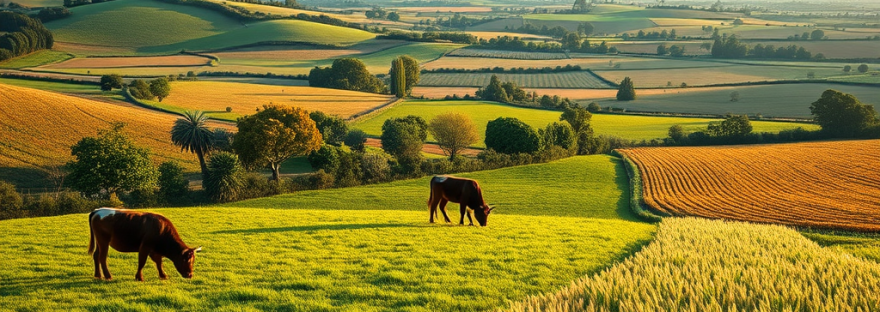
New Zealand’s agriculture sector is a cornerstone of the country’s economy, contributing significantly to its GDP and export revenues. The country’s diverse landscape and temperate climate provide a natural advantage for various forms of agricultural production. This market review explores New Zealand’s agriproduction, agribusiness, and agritech markets, highlighting key challenges, growth trends, and opportunities for skilled migrants seeking employment in these sectors.
Agricultural Production in New Zealand
New Zealand’s agricultural production is diverse and includes:
- Livestock Farming: The backbone of New Zealand agriculture, pastoral farming includes dairy farming, sheep farming, and beef cattle production. The country had approximately 6 million dairy cattle, 32 million sheep, and 4 million beef cattle as of 2018.
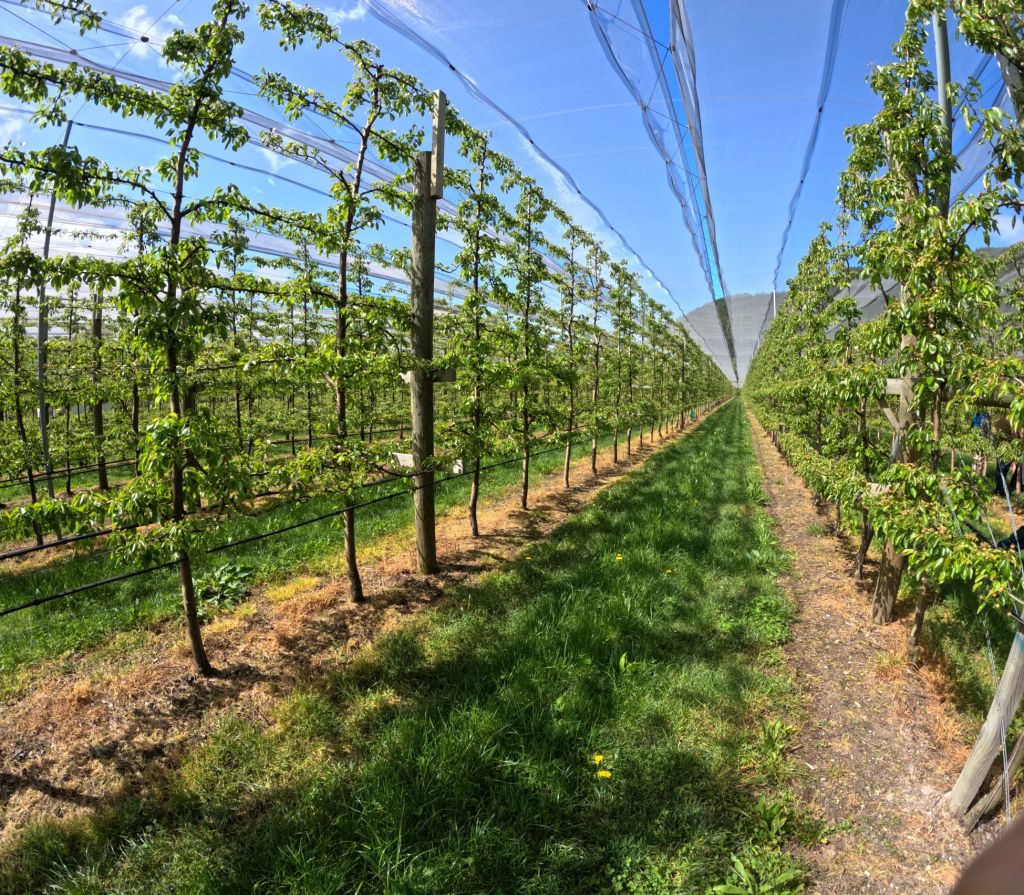
- Horticulture: New Zealand is a leading producer of kiwifruit, wine grapes, apples, and outdoor vegetables such as potatoes, onions, and squash. The sector benefits from strong export markets, particularly in Asia.
- Arable Farming: Cereal crops such as barley, wheat, and maize are grown on approximately 124,000 hectares, supporting both domestic food supply and export opportunities.
New Zealand’s Agribusiness Market
New Zealand’s agribusiness sector plays a crucial role in the national economy, with several defining characteristics:
- Export-Driven Industry: In 2019, agricultural exports were valued at NZ$46.4 billion, making up 79.6% of New Zealand’s total exported goods. The sector’s dependence on international markets means it is exposed to global economic trends and fluctuations.
- Dominance of Dairy: The dairy industry is New Zealand’s largest agricultural sector, with major players like Fonterra leading global dairy markets.
- Market Liberalization: Unlike many developed countries, New Zealand removed subsidies and price supports in the 1980s, creating a highly competitive and efficiency-driven agricultural sector.
- Sustainability and Environmental Regulations: The industry faces growing pressure to adopt sustainable practices, reduce carbon emissions, and improve water management.
- Diverse Agricultural Segments: While dairy is dominant, other major sectors include meat and fiber production, forestry, and horticulture, each offering distinct employment opportunities.
Agritech: Innovation and Growth
Agritech is a fast-growing industry in New Zealand, offering innovative solutions to enhance productivity, efficiency, and sustainability in agriculture.
Key Developments in Agritech
- Technological Advancements: New Zealand’s agritech industry includes areas such as precision agriculture, automation, data analytics, and biotechnology.
- Export and Commercialization: The government has identified agritech as a priority sector and has invested in initiatives to increase commercialization and export potential.
- Sustainability Solutions: Agritech innovations help address environmental concerns by optimizing land use, improving irrigation efficiency, and reducing agricultural waste.
- Addressing Labor Shortages: Robotics, automation, and artificial intelligence (AI) are increasingly used to mitigate labor shortages, particularly in horticulture and dairy farming.
Leading Players in Agritech
Several key players contribute to the success of New Zealand’s agritech sector:
- Gallagher Group: Specializing in electric fencing and security solutions for livestock management.
- LIC (Livestock Improvement Corporation): Providing genetic and data-driven solutions for dairy farming.
- Ravensdown and Ballance Agri-Nutrients: Leaders in agricultural nutrients and precision fertilization technologies.
- Callaghan Innovation: A government agency supporting agritech startups and research initiatives.
- AgResearch and Plant & Food Research: Scientific institutions driving innovation in crop and livestock management.
Challenges and Future Trends
Despite its strengths, New Zealand’s agriculture and agritech industries face several challenges:
- Labor Shortages: The demand for skilled workers exceeds local supply, particularly in dairy, horticulture, and agritech sectors. This opens opportunities for migrant workers with expertise in farming, engineering, and agritech development.
- Sustainability Pressures: Stricter environmental regulations require innovative approaches to reduce carbon footprints and water usage in agriculture.
- Global Market Volatility: Dependence on exports makes the industry vulnerable to international trade disruptions, price fluctuations, and geopolitical shifts.
- Climate Change: Adapting to changing weather patterns and mitigating risks from droughts and floods are ongoing priorities for the sector.
- Technological Adaptation: While New Zealand leads in agritech innovation, the widespread adoption of new technologies requires continued investment in training and infrastructure.
Opportunities for Migrant Job Seekers
New Zealand’s agriculture and agritech sectors offer strong employment opportunities for skilled migrants:
- Dairy Farm Managers and Technicians: Strong demand for professionals with expertise in herd management, milk production, and automation.
- Horticultural Specialists: Opportunities in orchard management, crop science, and greenhouse technology.
- Agricultural Engineers and Agritech Developers: Growing demand for experts in robotics, precision agriculture, and AI-driven farming solutions.
- Supply Chain and Logistics Professionals: Essential roles in ensuring efficient agricultural exports and domestic distribution.
- Sustainability and Environmental Consultants: Increasing need for expertise in sustainable farming practices and regulatory compliance.
Conclusion
New Zealand’s agriculture, agribusiness, and agritech industries are key drivers of economic growth, with strong demand for skilled workers. As sustainability, innovation, and global market engagement become increasingly important, migrant job seekers with expertise in farming, agritech, engineering, and supply chain management can find rewarding career opportunities. The country’s commitment to high-quality food production, technology-driven agriculture, and environmental stewardship positions it as a leader in global agricultural markets, making it an attractive destination for skilled professionals from abroad.
Sources
Agricultural Production
- Statista: Overview of New Zealand’s agriculture industry – https://www.statista.com/topics/5311/agriculture-industry-in-new-zealand/
- Wikipedia: Agriculture in New Zealand – https://en.wikipedia.org/wiki/Agriculture_in_New_Zealand
- New Zealand Horticulture Statistics Handbook – https://www.freshfacts.co.nz
Agribusiness Market
- Findex: New Zealand’s Agribusiness Outlook – https://www.findex.co.nz/insights/article/new-zealands-2024-agribusiness-outlook
- IBISWorld: New Zealand Agribusiness Industry Report – https://www.ibisworld.com/new-zealand/industry-reports
- Ministry for Primary Industries (MPI): Market reports and sector analysis – https://www.mpi.govt.nz
Agritech and Innovation
- MBIE: Agritech Industry Transformation Plan – https://www.mbie.govt.nz/assets/growing-innovative-industries-in-nz-agritech-in-nz-industry-transformation-plan.pdf
- Callaghan Innovation: Agritech research and funding initiatives – https://www.callaghaninnovation.govt.nz
- Agritech New Zealand: Reports on trends and growth opportunities – https://agritechnz.org.nz
- AgResearch: Innovations in livestock and crop management – https://www.agresearch.co.nz
Labor and Employment
- Immigration New Zealand: Skilled Migrant Visa requirements – https://www.immigration.govt.nz
- DairyNZ and Horticulture New Zealand: Industry workforce demand reports – https://www.dairynz.co.nz & https://www.hortnz.co.nz
Discover more from Employment for Immigration to New Zealand, Australia and Beyond
Subscribe to get the latest posts sent to your email.
 Employment for Immigration to New Zealand, Australia and Beyond