
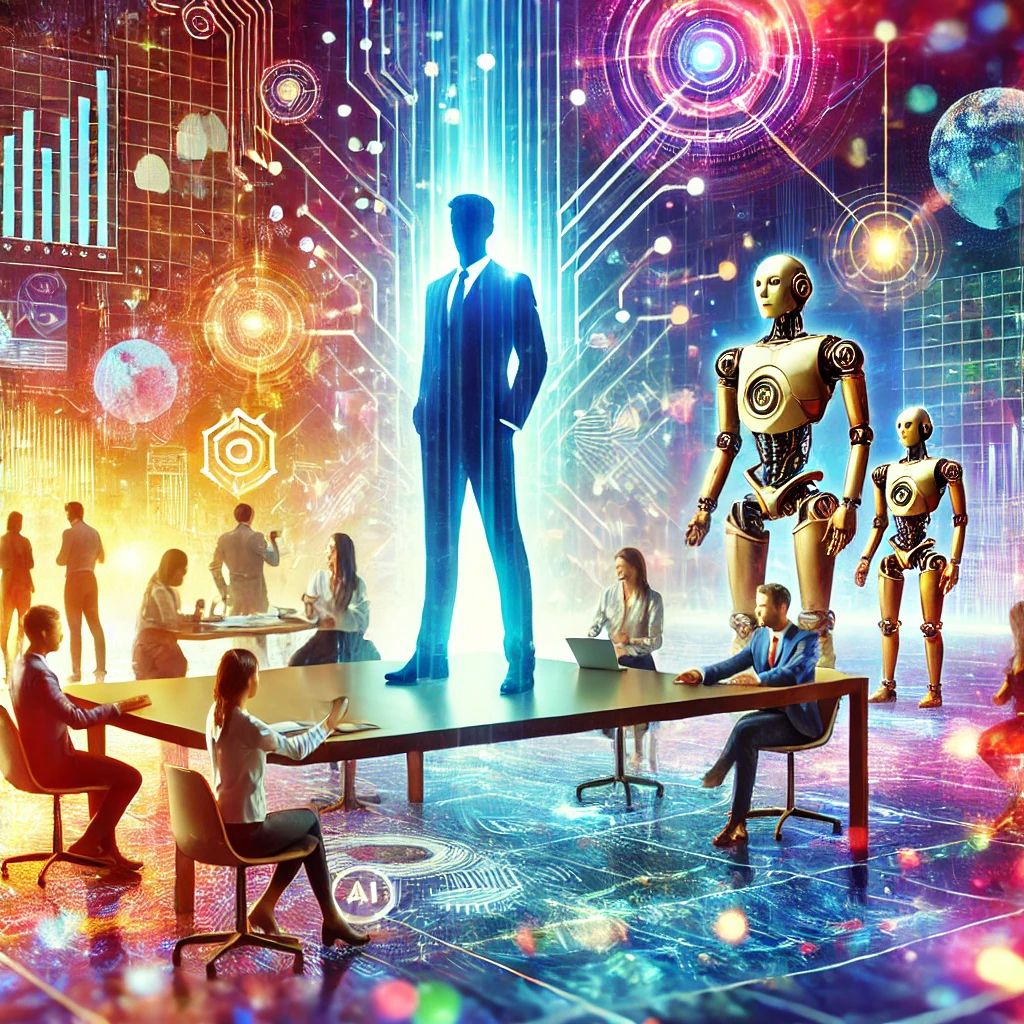
Artificial Intelligence (AI) is predicted to transform the global workforce over the next decade, with an impact comparable to the disruption caused by the combustion engine. Estimates suggest that AI could displace up to 300 million jobs worldwide by 2030, affecting approximately 18% of the global workforce. While such predictions may feel daunting, they also signal a wealth of opportunities for businesses, economies, and individuals willing to adapt and evolve.
Which Jobs Are Most at Risk?
AI thrives in environments where routine and repetitive tasks dominate. As such, roles in these categories are the most at risk of being replaced. Some key sectors include:
- Data Entry, Data Analytics, Number Crunching, Report Writing: Estimated 7.5 million positions could be eliminated by 2027 due to AI advancements.
- Administrative Secretaries, Legal Research, Coding, Programming: Automation could replace about 5 million roles by streamlining administrative tasks. Programming and coding roles will shift away from doing tasks towards managing outcomes.
- Telemarketers and Customer Service Representatives: Chatbots and automated systems increasingly handle customer interactions.
- Manufacturing Workers: Automation and robotics continue to replace manual labor in factories, starting with the most routine and moving progressively towards more complex tasks. However, complex and creative bespoke design works of art will be safe.
If your job is going to be disrupted or replaced entirely by AI, you may either learn to use AI in your job sector and continue your journey of evolution within your role.
Which Jobs Are Safe?
Not all jobs are equally vulnerable. Positions requiring creativity, empathy, and complex problem-solving remain resilient. These include:
- Healthcare Professionals: Doctors, nurses, and therapists rely on nuanced decision-making and human empathy that AI cannot replicate.
- Creative Roles: Writers, designers, and artists rely on originality and adaptability, areas where AI is still limited.
- Educators, Trainers, Coaches and Consultants: Teaching and coaching address individual needs and foster personal connections in ways machines cannot.
- Leadership and Management Positions: Strategic thinking and people management are safe zones in the AI landscape.
If you want nothing to do with AI, your may consider shifting your job description more towards bespoke artistic creativity or towards roles that feature human support and encouragement.
Opportunities Amid Disruption
While AI may displace some jobs, it is also creating new ones in fields like AI development, implementation, and oversight. This transformative period is a call to action for businesses and individuals to prepare for change. Workers will need to embrace continuous learning and upskill in areas less prone to automation, such as creativity, technical expertise, and emotional intelligence.
The Role of Change Managers
Change managers are essential in navigating this new terrain. They can:
- Guide Businesses Through Adaptation: By identifying roles at risk and supporting the upskilling of employees, change managers can help organizations stay competitive while retaining talent.
- Strategize Workforce Planning: Ensuring that businesses align their goals with emerging AI opportunities will minimize disruption and maximize innovation.
- Mitigate Economic Impact: On a larger scale, governments and organizations must work together to ensure a just transition for displaced workers, creating safety nets and education programs.
Building a Future-Proof Workforce
AI’s disruption is inevitable, but it need not be feared. By focusing on adaptability, fostering innovation, and leveraging human skills that machines cannot replicate, individuals and organizations can turn challenges into opportunities. As history has shown, every technological revolution brings both upheaval and progress. The key lies in preparation and proactive adjustment.
In times of great change, we all have a role to play in change management. This shift is not just about replacing tasks with automation—it’s about reimagining the way we work, think, and create value in a rapidly evolving world. Rather than waiting for change, we can manage change proactively, looking for the opportunties. If businesses and individuals take the lead in embracing this change, the future may be brighter than we imagine.
Discover more from Employment for Immigration to New Zealand, Australia and Beyond
Subscribe to get the latest posts sent to your email.
 Employment for Immigration to New Zealand, Australia and Beyond